Free Shipping & Return
Money Back Guarantee
Online Support 24/7
Secure Payment

How to Select the Right Valve – 5 Key Factors to Consider

Do you know the crucial roles valves play in our everyday lives? Wherever fluids and gases move, valves are needed to control and secure their flow. Valves, with its unique design and function, regulate the flow of liquids, gases, and even solids in a myriad of applications. The importance of valves can’t be understated, and it proves their ubiquity in all types of industrial, commercial, and residential systems. Valves are found pretty much everywhere – from our homes to power generation plants, paper mills, oil and gas refineries, water treatment, chemical manufacturing, and a wide variety of industrial facilities.

So, if you have been tasked with purchasing valves for any industrial projects or maintenance works, it is essential to ensure you make the right pick. With an assortment of use cases across industries, it is easy to find valves with different specifications. At the same time, this multitude of selections might be confusing to many, especially if you are a first-time buyer. Buying and installing substandard or wrong valves can put engineering safety at serious risk, leading to excessive downtime and accidents. We cannot stress enough how important choosing the right valves is for ensuring safe and reliable operations.
So, what do you need to know to begin your search for the right valves? Let’s find out.

Primary purpose:

Why do you need the valve? The primary purpose of the valve should guide your selection. Even though a valve can perform a broad range of functions, you need to consider the specific requirements of your application. There are different types of industrial valves, including, but not limited to ball valves, gate valves, butterfly valves, and Danfoss solenoid valves. However, each type is designed for specific functionality, and choosing the right one depends on the exact purpose and functionality of your application. Will it be used to control or isolate the media? Will it be used to prevent reverse flow? Do you need it to redirect the flow within a pipeline? Having a clear idea about the exact requirements will help in filtering out the choices.

Type of media and material compatibility:

What material would be flowing through the valves? You need to consider the characteristics of the media flowing through the system to ensure valve material compatibility. Are you looking for valves for a processing system that uses food oil or engine oil? Is it for any harsh or corrosive chemicals? Since valves are used for controlling the flow of media such as natural gas, compressed dry air, steam, liquefied petroleum, gasoline, slurry, and water, it is crucial to ensure the valve material you choose works perfectly for the system. For instance, if harsh chemicals pass through the valves, then go for PVC Honeywell valves, as they are more resistant to chemicals than metal valves. There are different materials of valves available, such as PVC, brass, bronze, or stainless steel that offer corrosion resistance and compatibility with various media. Keep in mind that valve material compatibility with the media is necessary to ensure long-term operations and better handling of pressures.

Flow control characteristics:

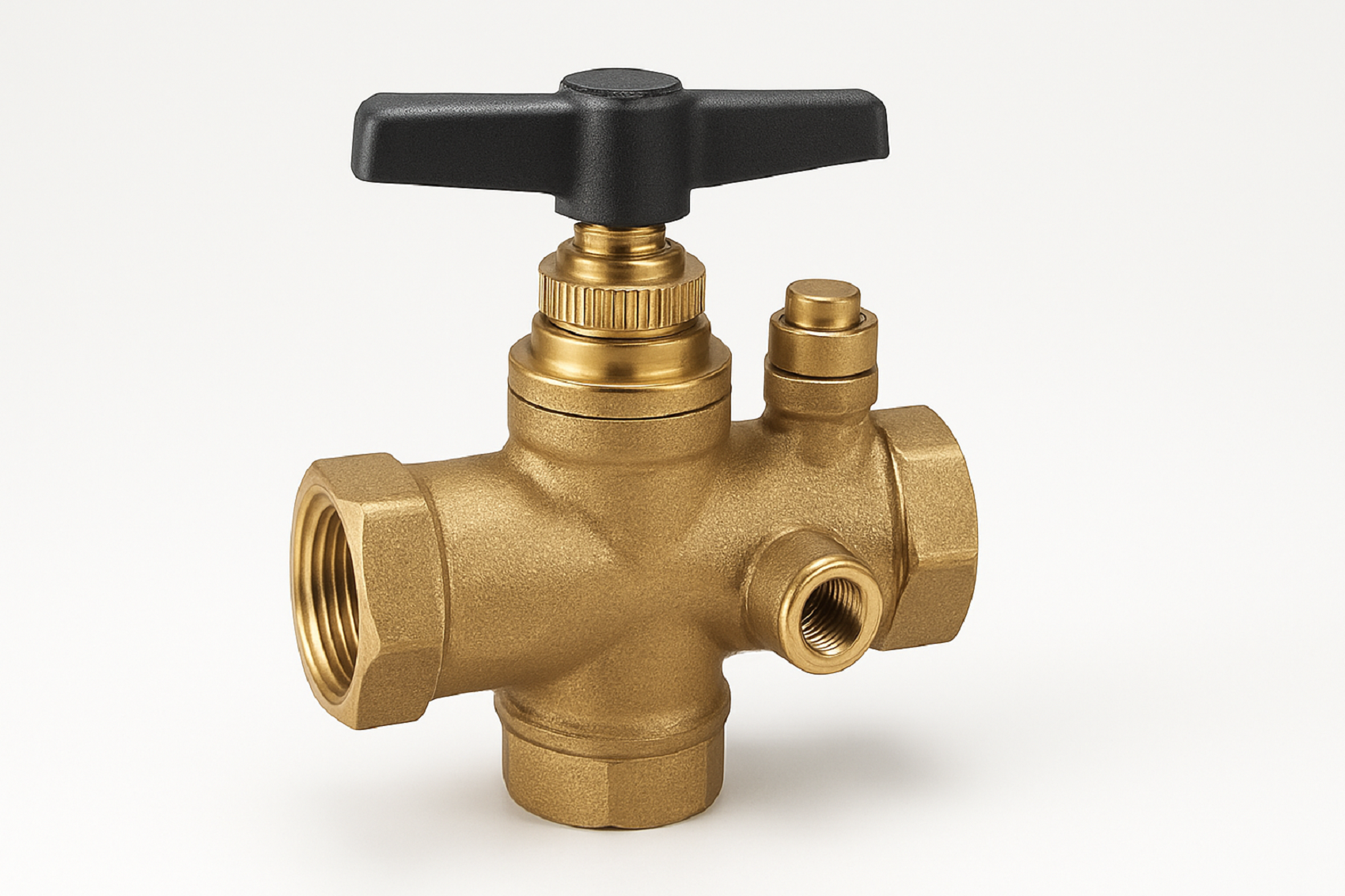
Whether you are planning to purchase Honeywell valves or Danfoss solenoid valves, it is essential to gauge their performance capacity. The parameters you need to consider while assessing the performance capacity of a valve include its size, temperature range, and pressure ratings. A valve’s size determines its flow capacity, which in turn corresponds to the required flow rate of the system. It is integral to avoid oversizing or under-sizing of valves, as it could lead to unstable operations and rapid damage to the valves. Determine the maximum and minimum temperature range of the media to be transferred. Also, check the operating pressure levels in your system so that you can decide whether to choose a valve with a pressure rating higher than or equal to the desired range. Industrial valves are conferred with temperature classes and pressure ratings based on manufacturing materials and testing standards.

Compliance and standards:

When it comes to buying valves for domestic or industrial applications, make sure to check whether they meet relevant certifications and compliance requirements. Purchasing substandard products not only poses a major safety hazard but also has a chance of failing prematurely. Depending on your application demands and requirements, ensure the valves you select adhere to valid industry standards such as ANSI, API, ISO or any specific certifications like NSF, UL, or ATEX.

Manufacturer:

Last but not least, you need to consider buying from a reputed valve manufacturer and supplier. Choose a company that has a renowned history of producing high-quality valves and accessories. Browse online and check for manufacturers with a solid reputation for producing top-notch, safe, durable, and reliable valves for every application. Once you have shortlisted the manufacturers, look for local suppliers who can offer authentic quality products. No matter whether you have decided to buy Honeywell valves or Danfoss solenoid valves, find a trusted supplier like RZBM to get the best quality products.

When it comes to buying valves, you can’t go for a one-size-fits-all approach. Instead, you have to consider various factors and features to choose a valve with the right specifications to guarantee a controlled and safe process. If you need help choosing the right valve type for your project or facility, reach out to RZBM. Our team of specialists is always happy to help you.

Why Genuine AC Spare Parts Are the Right Choice?

Keeping your air conditioning units in perfect condition is essential, especially during the hottest and humid months in the UAE. Whether you are repairing a faulty AC unit or upgrading an existing system, it is essential to find the right spare parts. Unfortunately, many homeowners or business owners like to cut corners when it comes to fixing their HVAC systems. What you might not know is that skimping on AC spare parts for repairs and replacement can cost you more in the long run. Hiring an experienced AC technician is the first step to fixing your AC troubles. It is just as important to find authentic quality parts to ensure the reliability and longevity of your equipment.

With an assortment of options available in the market, it could be a tricky task to choose between OEM and aftermarket products. But what exactly are OEM parts, and why do they matter? In this blog post, we explain the top benefits associated with purchasing genuine AC spare parts.

AC Spare Parts – OEM

OEM stands for Original Equipment Manufacturer, and as the name suggests, these are the parts manufactured by the same company that produced the original air conditioning unit. In other words, they are identical to the parts that were installed in your equipment when it was first manufactured. OEM parts are specifically designed and engineered to fit the specific model perfectly.

AC Spare Parts – Aftermarket Parts

How are OEM parts different from aftermarket parts? Many air conditioning spare parts suppliers in and around Dubai offer aftermarket and OEM parts. Aftermarket parts are components that are made by a company other than the AC’s original manufacturer. Available in a wide range of quality and prices, these are often designed to be compatible with as many makes and models as possible.

Why Buy OEM Parts?

How does buying OEM parts help retain the original functionality and efficiency of HVAC systems? The OEM parts are manufactured using high-quality materials and undergo rigorous testing to ensure they meet the quality standards. The consistency in materials and manufacturing process ensures that the replaced spare parts offer the same fit, durability, and performance as the original. Non-OEM parts manufactured with inferior materials can adversely impact the lifespan, functioning, and overall efficiency of the HVAC systems. Even though generic spare parts may be a cheaper choice, you might have to replace them often, which negates the cost savings.

When appliances are designed and manufactured, each component is meticulously crafted to meet specific guidelines and standards. These specifications ensure that your air conditioning unit operates at its peak performance. With any machinery, compatibility is a critical factor of efficiency and performance. Installing a non-compatible part or accessory can lead to frequent breakdowns, safety hazards, and reduced efficiency. OEM parts are produced with the same precision and design schematics, which means you are getting a component that is an exact match, guaranteeing seamless integration.

Most HVAC manufacturers have listed specific warranty terms that mandate using authentic quality parts for their repairs or replacements. So, using non-OEM parts can revoke the manufacturer’s warranty on your air conditioning unit so that the appliance may no longer be covered for warranty claims. That is why it is ideal to insist on purchasing OEM spare parts and accessories to retain and maintain the warranty on your HVAC appliance.

Buying OEM AC Spare Parts – Key Factors to Consider

By now, you might be clear on the importance of purchasing OEM parts for your AC repairs or replacement. However, when it comes to choosing the right parts and accessories, there are a few things to keep in mind. The first and foremost on the list is choosing a reliable air conditioning spare parts supplier. As there are several suppliers – both online and in-store – it is important to do your research. Browse through different suppliers’ websites, explore their product range, and check their customer reviews. Do check how long they have been in business, as it would help you get a better idea about their expertise and authenticity. If time permits, pay a visit to their physical store, check the product stock, and talk with their team. A genuine supplier can offer you expert assistance in picking the right products and accessories as well.

Whether you are looking for valves, actuators, compressors, or any other HVAC parts, RZBM has the products, expertise, and services to help you out. As a leading distributor for the most trusted names in HVAC systems and plumbing accessories, RZBM has a broad and diverse range of products in stock whenever you need them. If you need assistance in choosing the right AC spare parts or components, our team of experts is always glad to help you.

The Role of Pipe Fittings in Efficient Plumbing Systems

If you are planning a plumbing installation or repair, then you might come across the need to buy pipes and fittings. Whether your project is on a small residential scale or involves a large-scale, complex industrial installation, the overall functioning and performance of your plumbing system greatly depends on the right choice and quality of pipe fittings you select. We all know the role of pipes in transporting fluids that span residential, commercial, and industrial purposes. But when you plan the plumbing system of a building, you would need pipe fittings to install, connect, and secure various sections of pipes.

Pipe fittings are essential to build an efficient distribution network within the property. Not just connecting and installing pipelines, but fittings are also used to regulate flow direction, and speed and seal off a pipeline. They are available with pipe fitting suppliers (RZBM) in a diverse range of shapes, sizes, and materials. If you are a DIY plumber, then putting together pipes and fittings as per the plumbing configurations may seem like a complex puzzle. With all the different pipe diameters, materials, and types out there, things can get complicated for an amateur plumber. That is why it is strongly recommended to get a better understanding of the basics of pipes and fittings.

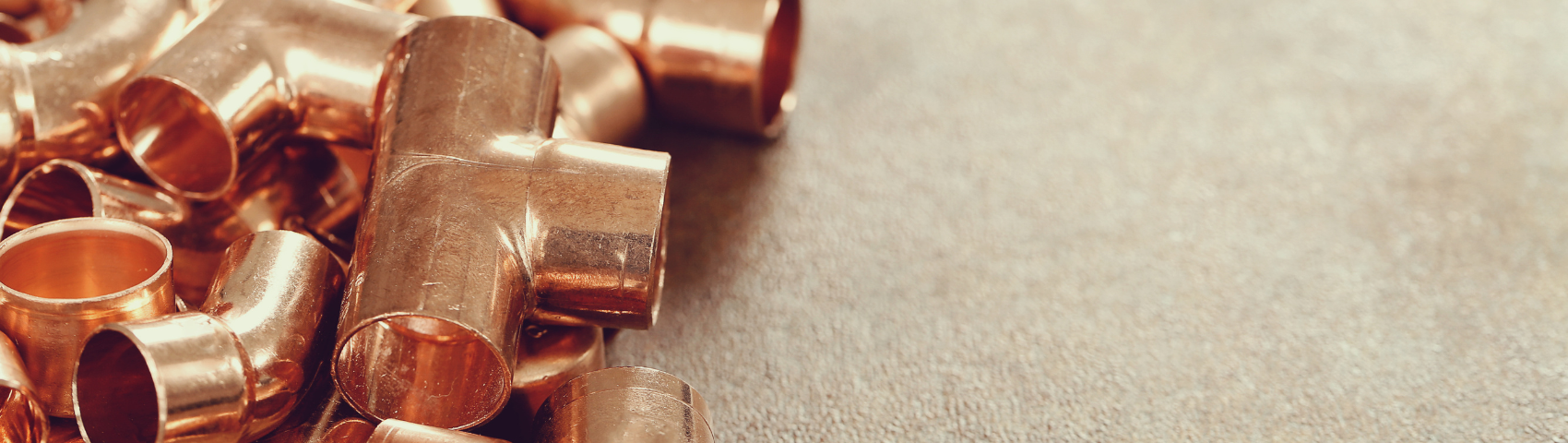
When it comes to choosing the right type of pipe fitting for your plumbing project, the general rule of thumb is to always use the same material as the pipes. The most common materials of pipes available these days include copper, polyethylene (PE), polyvinyl chloride (PVC), CPVC, cross-linked polyethylene (PEX), galvanized steel, stainless steel, fiber cement, and cast iron. Most of these pipe materials can be connected to each other with the right fittings. The fittings must always be compatible with their intended application. For instance, pipe fittings for residential water lines are different from pipelines and wastewater treatments. If the plumbing system has PPR pipes running through the house, then you need PPR pipes and fittings. Installing the wrong pipe fitting type and material can lead to different plumbing issues such as leaks, corrosion, and breakdown. At the same time, employing the right pipe fittings ensures the durability and efficiency of your plumbing system for a long time. The right pipe fitting for the plumbing job depends on its compatibility with the fluid that runs through the system.

The most common types of pipe fittings are as follows:

Elbows

Pipe elbows are the most common fitting type used in plumbing configurations. It is used to change the angle or direction of flow between pipes. You can choose from 90-degree, 45-degree, and 22.5-degree elbow fittings. Using elbow fittings helps to tilt the flow in the direction you want it to go, thereby offering versatility.

Tees

A pipe fitting shaped like a ‘T’ – tees are used for adding branch lines to the main pipeline. You can find various types of pipe tees such as straight, reducing, barred, and wye tees. In addition to installing a 90-degree branch connection, tees are also used to reduce the friction and turbulence of the piping system.

Couplings

As the name implies, this pipe fitting is used to connect two pipes in a straight line. So, if you want to extend the length of the piping system, then you need coupling fittings. There are different types of couplings available with pipe fitting suppliers – full coupling, half coupling, and reducing coupling. Besides joining two lengths of pipe, couplings can be used to repair and fix a broken or leaking pipe as well.

Flanges

These pipe fittings are used to secure connections between pumping structures by creating a tight seal around pipes. Flange fittings are available in different shapes such as – round, square, and rectangular. With flanges, you can assemble or disassemble piping with ease.

Crosses

Cross fittings, as the name suggests are four-way fittings with one inlet and three exits. It resembles a combination of two tee fittings and can be used to connect four different pipes. The four connection points of crosses make them a common choice for fire sprinklers and outdoor irrigation systems.

In addition to the above-listed types, there are also adapters, gaskets, nipples, unions, plugs, caps, bends, and many more.

The type, material, and size of the fitting that suits your project purely depend on the layout and requisites of the piping system. Moreover, seek out products from reputed pipe fitting suppliers that adhere to quality and safety standards.

RZBM is a leading distributor of a diverse range of plumbing products that warrant quality and reliability. If you need assistance in choosing the right pipes and fittings, our team of experts is always glad to help you.

A Brief Guide to Gate, Ball, and Butterfly Valves

Valves play a crucial role in various industrial and non-industrial processes. Regulating the flow of fluid (gases, liquids, fluidized solids, or slurries) through pipelines other equipment, and valves helps to keep industrial operations running smoothly.
Generally, valves have a specific purpose – it is to regulate, direct, or control the movement of substances by either opening or closing the system, or by partially obstructing them. To put it simply, valves serve as gatekeepers that allow or restrict the flow of fluids within a system. You can find the applications of valves in a diverse range of sectors such as oil and gas, chemical processing plants, power generation plants, water supply systems, wastewater treatment, manufacturing facilities, and many more. Industrial valves are designed to handle different types of fluids with precision control over their flow. The right selection of valves, proper installation, and regular maintenance of valves help in improving the overall functionality and safety of industrial operations.

Valves are categorized based on their functional designations such as isolation, non-return, regulation, safety, and special purpose. Let us look into the most common types of valves used in different industrial applications:

Butterfly valves

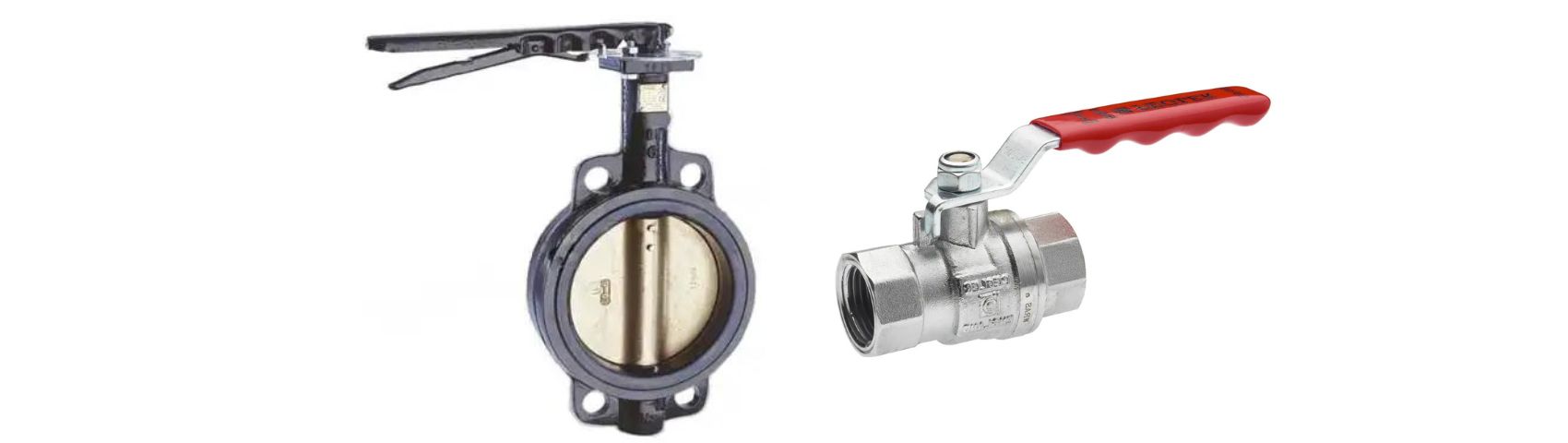
Butterfly valves fall into the family of quarter-turn valves. As the name implies, quarter-turn valves function by rotating the valve stems 90 degrees clockwise or anticlockwise direction. Butterfly valves with their quarter-turn rotational functionality are used mainly in pipelines to shut off flow and are often used to regulate the fluid flow as well. Butterfly valves consist of a metal rotating disc positioned in the center of the pipe. The rotation of the metal disc is controlled by an external actuating mechanism through the stem attached to it. The position of the metal disc in this linear-motion valve determines the full or partial flow of the fluid.

Butterfly valves are used in a diverse range of industrial and residential applications, especially in water supply and pumping stations. They also have various use cases in projects requiring flow isolation. What makes butterfly valves a better choice for many industrial and non-industrial applications is their simple construction and compactness. Other key benefits of butterfly valves include their exceptional sealing capabilities for any situation involving low pressure, lower costs, the versatility of size options, smaller installation footprints, and faster actuation speeds.

Ball valves

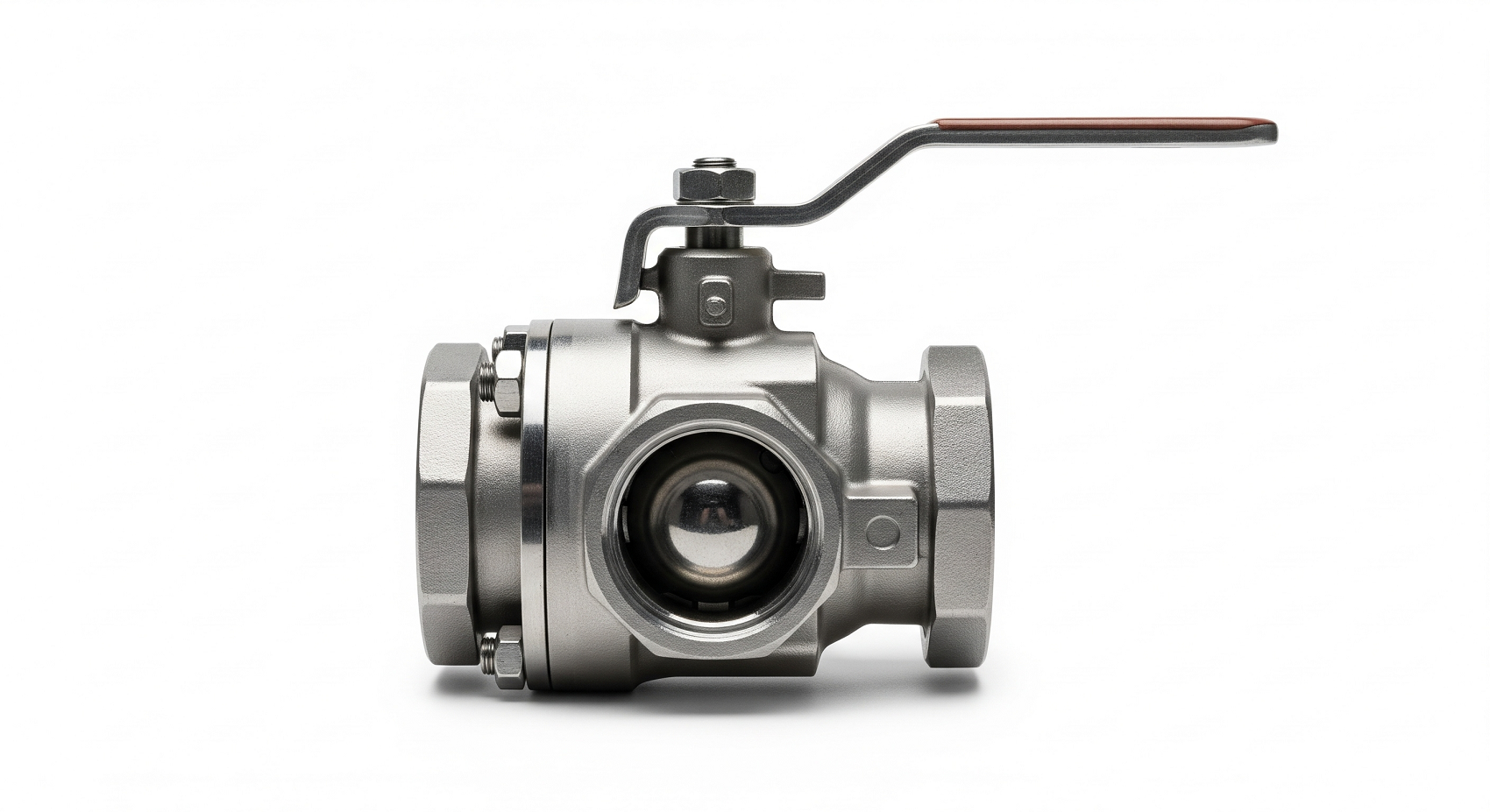
Ball valves also belong to the category of quarter-turn valves. These unidirectional valves have a hollow, ball-shaped disc that controls the flow of fluid through the system. The movement of the pivoting ball that has been drilled through allows or restricts the passage of fluid. Ball valves can either be actuated using a hand lever or mechanically. Even though ball valves are an ideal choice where tight shut-off is required, they are not recommended for applications that require precision flow. Other notable features of ball valves include easy installation, low maintenance costs, minimal pressure drops, and minimal leakage through wear and tear. The above-listed attributes of ball valves make it a perfect choice for the oil and natural gas industry. Since petrochemical facilities are in remote areas, ball valves with their simplicity of usage and dependability prove to be a perfect choice.

Gate valves

Gate valves, also known as sluice valves or knife valves use a sliding gate or wedge on a threaded operating stem. These linear-motion, isolation valves can allow or restrict the flow of fluid completely. Gate valves only have two service levels – either fully open or fully closed. This means you cannot use gate valves to regulate the flow rate or allow partial flow of fluids. Since gate valves are bidirectional, you can use them to block the flow in both upstream and downstream directions. Tight sealing, minimal pressure loss during operations, relatively simple design, and small fluid resistance of gate valves make it a perfect choice for a wide variety of applications.

There are plenty of valve types available in the market and selecting the right valve for any given industrial operation is crucial. Knowing their features and operations is essential in choosing the right valve type for your project. It is always recommended to gather some basic information on your project requirements before starting your search. You need to check the material, type, and size of the valve that you require. Knowing the chemical compatibility of the liquid or gas type being controlled will help in filtering out the valve material. Other factors include performance requirements – pressure and temperature ranges of the application, actuation method, and maintenance requirements of the valve. Finally, get in touch with a reputed valve supplier. Not only they can offer you the best quality valves, but can also guide you in making an informed decision.

At RZBM, we offer a broad line of competitively priced valves and valve control products, including, but not limited to butterfly valves, ball valves, gate valves, actuators, pressure relief valves, and solenoid valves. If you are not sure about choosing the right valve for your project, get in touch with our team for assistance.