Free Shipping & Return
Money Back Guarantee
Online Support 24/7
Secure Payment

Exploring Crane Valves: Types, Applications, and Features

In a world filled with marvels of modern engineering, there are hidden gems that silently power the infrastructure you rely on every day. Among these unsung heroes are crane valves- the gatekeepers of fluid flow in buildings, industries, and beyond. With RZBM, a beacon of innovation in the realm of building materials, as our guiding light, let us embark on a journey to unravel the mysteries of crane valves. Join us as we delve into the depths of their applications, uncover the different types available, and marvel at the remarkable features that make crane valves indispensable in our rapidly evolving world.

Applications of Crane valves

Crane valves serve as essential components in numerous industries, ensuring precise control over fluid flow. Whether it is managing water, steam, gas, or other fluids, these valves are crucial for the smooth operation of various systems.

Hospitals

Crane valves play a critical role in controlling the flow of water, steam, and gas for life-saving operations. They are indispensable in operating rooms, sterilization units, and critical care areas, ensuring proper hygiene and patient safety.

Oil And Gas Industry

Relies heavily on crane valves to regulate the flow of crude oil, natural gas, and various fluids throughout production and refining processes. These valves must withstand high pressures, corrosive environments, and extreme temperatures to ensure safety and efficiency.

Construction Industry

Crane valves are crucial in HVAC systems for regulating water, steam, and chilled water flow. They ensure optimal indoor comfort levels in residential, commercial, and industrial buildings.

Power Plants

Power plants rely on crane valves to control the flow of water and steam throughout the generation and distribution process. These valves play a crucial role in ensuring the efficient and reliable generation of electricity to meet modern society’s demands.

Automotive Sector

In the automotive industry, crane valves are integral to engine performance, controlling the flow of fuel, coolant, and hydraulic fluids. Whether it’s regulating fuel injection, cooling the engine, or controlling hydraulic systems, crane valves play a vital role in ensuring vehicle efficiency, reliability, and safety.

Even in everyday life, crane valves are omnipresent. They regulate the flow of water in kitchen sinks, bathtubs, and household appliances, as well as control fuel and coolant flow in car engines.

Different types of crane valves

• Gate Valves: These valves are ideal for applications requiring a tight seal and complete shut-off, such as water mains. They provide reliable performance and durability, make sure efficient flow control.
• Globe valves: Featuring a spherical body and an integral structure, globe valves offer precise control over fluid flow rates. They are commonly used in heating systems and HVAC applications, where throttling or regulating fluid flow is necessary.
• Ball valves: Known for their quick and reliable shut-off, ball valves are essential in emergencies to prevent further damage. They are widely used in residential, commercial, and industrial applications for their reliability and ease of operation.
These are only a few of the crane valves mentioned, there are many more.

Features of Crane Valves

High-quality construction: Crane valves are constructed with materials like stainless steel, brass, or cast iron, ensuring durability and resistance to corrosion. These materials enable the valves to withstand harsh environments and provide reliable performance over time.
Ergonomic Design: Many crane valves feature ergonomic handles or actuators for easy operation, even in challenging conditions. Whether it is a lever, handwheel, or electric actuator, these features reduce fatigue and increase efficiency.
Advanced sealing technologies: Crane valves incorporate advanced sealing technologies, such as resilient seats, O-rings, and packing glands, to minimize leakage and ensure a tight seal under varying conditions. These sealing technologies provide peace of mind for users, knowing that the valves will perform reliably.

Now that you have a little idea about crane valves. Crane valves are the hidden gems in various industries of modern construction and infrastructure, regulating fluid flow with precision and reliability. With their diverse applications, varied types, and exceptional features these valves are indispensable components of countless industries and systems. Whether it is controlling water flow in a skyscraper or regulating fuel in a car engine, crane valves play a very important role in keeping the world running smoothly. And with RZBM as your trusted partners, you can access top-quality crane valves designed to meet the most demanding requirements. Choose RZBM and unlock the power of crane valves for your next project.

As a leading building materials supplier, RZBM is your gateway to a vast selection of high-quality crane valves engineered for excellence. Whether you are embarking on a large-scale construction project or simply upgrading your home’s plumbing system, we have got you covered. With our extensive inventory and expert guidance, you can find the perfect crane valves to meet your specific needs. Leaks, inefficiencies, and costly downtime are a thing of the past – Choose RZBM for reliable solutions that stand the test of time.

How do I Choose and Buy PPR Pipe Fittings?

Your home or workplace without proper plumbing – chaos, leaks, and constant repairs. Plumbing is the backbone of any building, making sure water flows seamlessly throughout your homes, offices, and factories. At the core of a reliable plumbing system are PPR pipes and fittings. But how do you choose from the maze of options to choose the right ones for your needs? In this blog, we will help you with PPR pipes and fittings.

Where Can You Use PPR Pipes and Fittings?

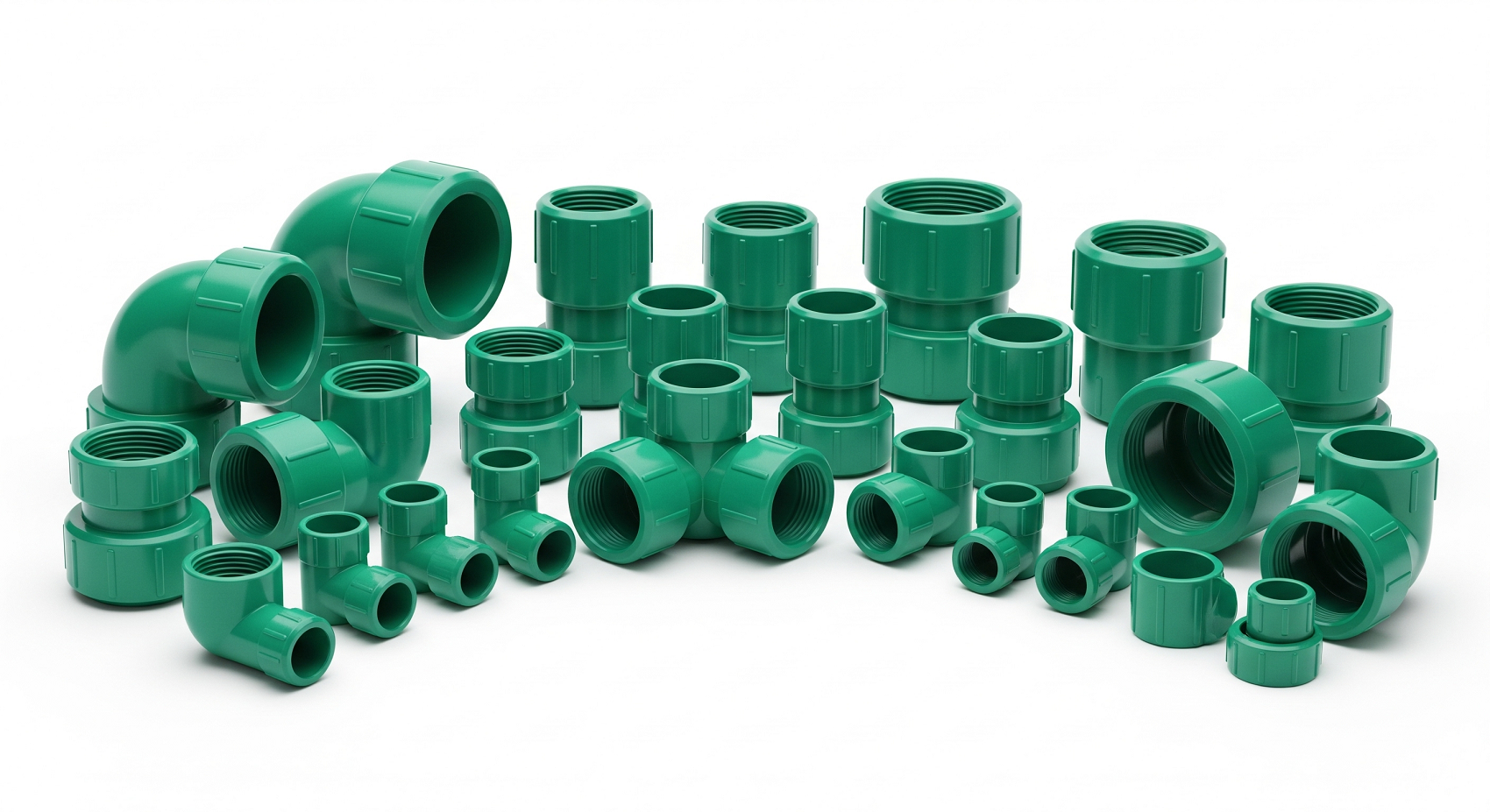
PPR pipes and fittings are incredibly versatile, finding applications in a wide range of settings. Whether you are constructing a new residential building, renovating your kitchen, or setting up an industrial facility, PPR pipes and fittings are essential for efficient water distribution and waste management. From hot water systems to chilled water lines, from air conditioning to compressed air systems, PPR pipes and fittings ensure reliable performance across various environments.

7 Things that you should look for while choosing and buying PPR Pipe fittings

  • Material Quality

The cornerstone of any durable plumbing system is the quality of the materials you use. When selecting PPR pipes and fittings, always prioritize those made from high-quality polypropylene random copolymer. Why you ask? This material offers exceptional durability, corrosion resistance, and thermal stability, ensuring longevity even in demanding conditions. At RZBM, we source our PPR pipes and fittings from trusted manufacturers to guarantee superior quality and performance.

  • Size and Compatibility

Plumbing systems come in all shapes and sizes, and so do PPR pipes and fittings. Before making a purchase, you should make sure that the fittings you choose are compatible with the size of your pipes and other components. Whether you are dealing with standard sizes or custom configurations, selecting the right fit is crucial for seamless installation and optimal performance.

  • Pressure Rating

Different plumbing applications require varying levels of pressure resistance. Be sure to check the pressure rating of the PPR fitting and pipes to match the demands of your system. Higher pressure ratings are essential for commercial and industrial setups, while residential systems may require lower ratings. Our team at RZBM can assist you in determining the appropriate pressure rating for your specific needs, ensuring reliability and safety.

  • Certifications and Standards

When it comes to plumbing, quality and safety should never be compromised. Look for PPR pipes and fittings that adhere to international standards and certifications, such as DIN and ISO. These certifications ensure that the products follow stringent quality and performance criteria, giving you peace of mind about their reliability. At RZBM, we take pride in offering products that meet or exceed industry standards, ensuring your satisfaction and safety.

  • Ease of Installation

We understand that time is money, especially when it comes to plumbing installations. Choose PPR pipes and fittings that are easy for you to install, minimizing downtime and labor costs. Look for fittings with user-friendly connection mechanisms, such as heat fusion or mechanical joints that streamline the installation process. Easy installation not only saves you time and effort but also reduces the risk of leaks and ensures a trouble-free plumbing system.

  • Chemical Resistance

Wherever you place, plumbing systems often come into contact with various chemicals and corrosive substances. Therefore, it is essential to select PPR pipes and fittings that are chemically resistant to ensure long-term performance. High-quality PPR materials offer excellent resistance to acids, alkalis, and other corrosive agents, safeguarding your plumbing system against degradation and leaks. At RZBM, we provide PPR pipes and fittings renowned for their chemical resistance, ensuring durability and reliability in any environment.

  • Price and Value

While cost is an important consideration for you, it should not overshadow the value and quality of the product. When evaluating PPR pipes and fittings, consider the overall value proposition, including durability, performance, and long-term savings. While some cheaper options may seem appealing to you initially, investing in high-quality products pays off in the long run with fewer repairs and replacements. At RZBM, we offer competitive prices without compromising on quality, ensuring that you get the best value for your investment.

Choosing and purchasing your PPR pipes and fittings can be so difficult and tiresome with the variety of options available in the market. However, our experts are full of the right knowledge and guidance, so that you can make the right decisions that ensure the success of your plumbing projects. You should prioritize factors such as material quality, size and compatibility, pressure rating, certifications, ease of installation, chemical resistance, and overall value to select the perfect PPR pipes and fittings that meet your needs. Contact us today to explore our extensive range of products and let us help you find the perfect solution for you.

What is the Purpose of a Ball Valve?

Actuated ball valves and butterfly valves are important parts in many industries, to make sure that there is a smooth flow of liquids and gasses. From water treatment plants to chemical processing facilities, these valves are essential for maintaining efficiency. However, like any machinery, these also require proper maintenance to function perfectly and prevent costly downtime. In this blog, we will examine the ins and outs of maintaining and troubleshooting actuated ball valves and butterfly valves.

Butterfly valves are well known for their design and fast functionality. This makes them widely loved in various industries. Specifically, crane Butterfly Valves are crafted to give precision and durability guaranteeing performance in applications. Butterfly valves are commonly used in various industries as flow control devices, and they can be sure to be used as control valves in certain applications. Their design allows for streamlined flow control, making them well-suited for both on/off and throttling services.

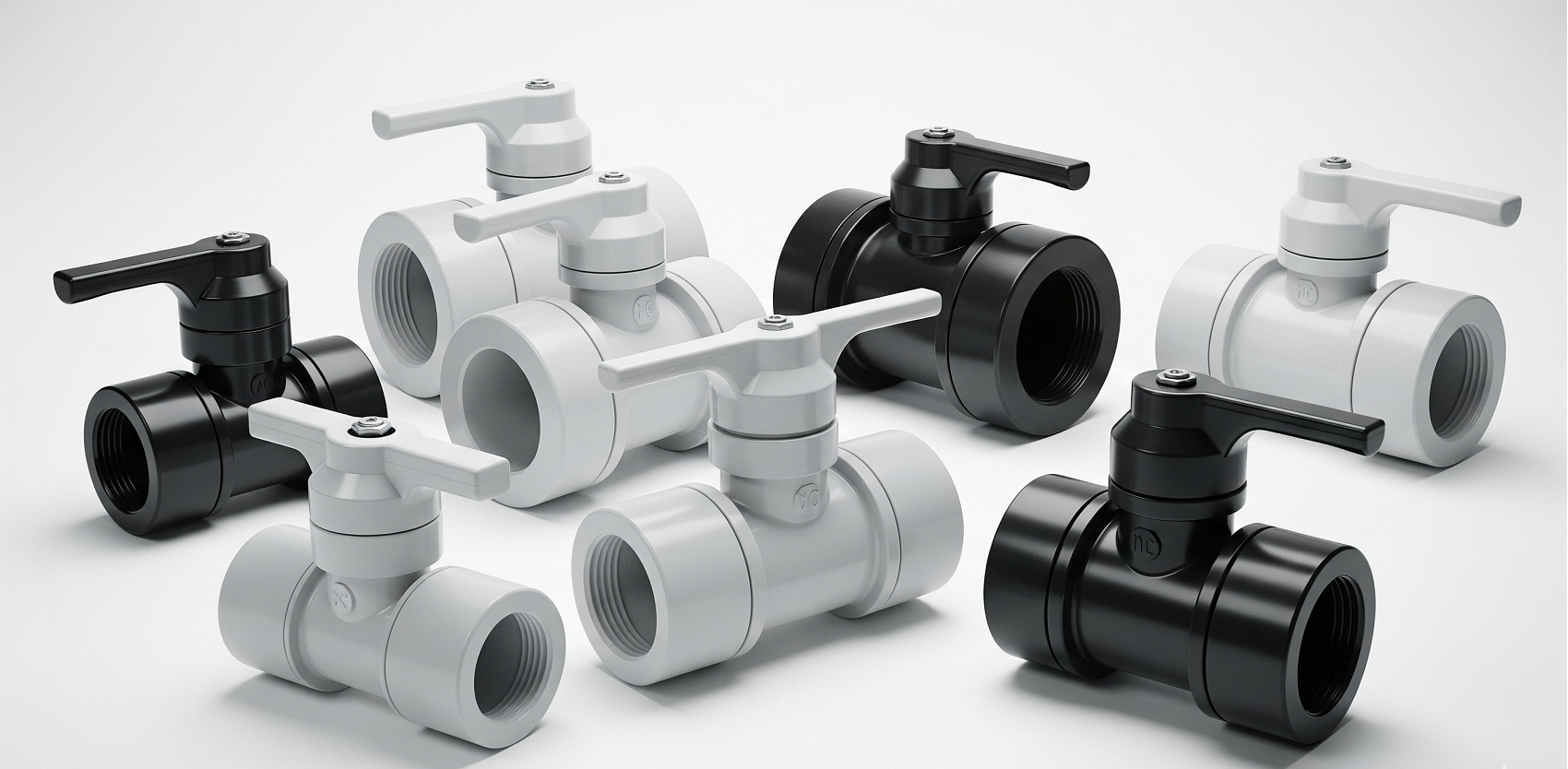
Just like doors that swing open and close to control the flow of the people coming in and out of a room, now replace the door ball valves with a door that has a spherical ball with a hole drilled through the middle- that is what a ball valve looks like. It consists of a hollowed-out sphere (the “ball) with a hole (the “port”) through its center. When the port aligns with the flow path, the valve is open, allowing the fluid to pass through. When rotated 90 degrees, the port is perpendicular to the flow path, stopping the flow.

Importance Of Regular Inspection

Regular inspection is the foundation of valve maintenance. By inspecting your valves routinely, you can identify potential issues before they increase rapidly into major problems. Look out for leaks, corrosion, and signs of wear and tear. Additionally, check that the actuator is functioning correctly and that the valve stem is undamaged. Any abnormalities should be addressed immediately to prevent operational disruptions.

Lubrication: Keeping Things Moving Smoothly

Proper lubrication is essential for ensuring the smooth operation of ball valves and butterfly valves. Using a high-quality lubricant that is compatible with the valve material and process fluid is important. Apply the lubricant to the stem, packing, and seals regularly to reduce friction and prevent premature wear, which can lead to valve malfunctions.

Understanding Valve Actuation

Valve actuation is the process of opening and closing the valve, and it is crucial for proper valve function. Actuated ball valves and butterfly valves rely on the accurate operation of the actuator. Ensure that the actuator is calibrated correctly and that the valve position feedback is accurate. Additionally, verify that the power source for the actuator is sufficient and that all wiring is intact to avoid any operational issues.

Safeguarding Seals And Gaskets

seals and gaskets are critical components of valves, as they prevent leaks and maintain system integrity. Regularly inspect these components for signs of wear or damage, and replace any that are damaged to prevent leaks or contamination of the process fluid.

The Importance Of Regular Cleaning

Regular cleaning is essential for preventing buildup and corrosion on valves. Use a cleaning solution that is compatible with the valve material and process fluid to remove any deposits. After cleaning, flush the valve with water or another suitable fluid to ensure that no residue remains, which could impair valve function.

Troubleshooting Common Issues

Despite regular maintenance, problems may arise with actuated ball valves and butterfly valves. Common issues include leaks, sticking, and improper actuation. If you encounter any problems, begin by troubleshooting the issue. Check the seals, lubrication, actuation mechanism, and cleanliness of the valve. If you are unable to identify or resolve the problem, seek assistance from a professional to prevent further complications.

Maintaining and troubleshooting actuated ball valves and butterfly valves is essential for ensuring the overall efficiency and reliability of industrial systems. By conducting regular inspections, lubricating moving parts, ensuring proper actuation, safeguarding seals and gaskets, cleaning valves regularly, and troubleshooting issues promptly, you can minimize downtime and extend the lifespan of your valves. Remember proactive maintenance is key to preventing costly repairs and maintaining uninterrupted operations.

By following the guidelines outlined in this complete guide, you can effectively maintain and troubleshoot actuated ball valves and butterfly valves, maximizing their performance and reliability for years to come.

If you are looking for the best ball valve supplier and butterfly valve supplier in UAE, you should probably contact RZBM today.

How to Maintain and Troubleshoot Actuated Ball Valves and Butterfly Valves?

Valves are mechanical devices used to control the flow of fluids or gases within a system. They come in various types, including ball valves, gate valves, and butterfly valves. You must have noticed the smooth operations of your pipelines and plumbing system. That is also the work of a valve. Valves play a crucial role in regulating the flow rate, pressure, and direction of fluids in pipelines, plumbing systems, and industrial processes. These versatile components are essential for starting, stopping, or throttling the flow of liquids or gases. Valves that are given by the best valve suppliers in UAE can be operated manually, through a lever or wheel, or there are automatic options as well using actuators or solenoids.

In this blog, we will explain to you all about ball valves – the trusty companions that keep the flow going seamlessly.

What Is A Ball Valve?

Just like doors that swing open and close to control the flow of the people coming in and out of a room, now replace the door ball valves with a door that has a spherical ball with a hole drilled through the middle- that is what a ball valve looks like. It consists of a hollowed-out sphere (the “ball) with a hole (the “port”) through its center. When the port aligns with the flow path, the valve is open, allowing the fluid to pass through. When rotated 90 degrees, the port is perpendicular to the flow path, stopping the flow.

How Does A Ball Valve Work?

The ball valve is simple yet effective. As mentioned earlier, the spherical ball within the valve is the key player. When the handle of the valve is turned, it rotates the ball inside, either aligning the hole in the ball with the flow path for an open valve or blocking the flow when the hole is perpendicular to the flow path.

This design offers several advantages. Firstly, it provides quick and reliable shut-off capabilities, making ball valves ideal for applications where closure is important, such as in emergencies or in systems that require frequent adjustments. Additionally, ball valves offer minimal resistance to flow when fully open, ensuring efficient operation and minimal pressure drop.

Pros And Cons Of Ball Valves

Like any other mechanical component, Ball valves also come with their own set of pros and cons.

Pros

Durability: Ball valves are known for their durability. These can be made from strong materials such as stainless steel or brass, which makes them suitable for high-pressure and high-temperature applications. Their resilience makes them ideal for demanding environments where reliability is of very much importance, ensuring long-term operation with minimal maintenance requirements.

Versatility

These valves can handle a variety of fluids, from water and oil to corrosive chemicals and gasses, making them suitable for various industries. Whether in industrial settings, commercial applications, or residential plumbing systems, ball valves offer unmatched adaptability, making them indispensable across various industries and sectors.

Low maintenance

With fewer moving parts than other types of valves ball valves require minimal repairs and maintenance, resulting in lower long-term costs. If you want a high-quality ball valve, RZBM is one of the prominent valve suppliers in UAE.

Quick Operation

The quarter-turn operation of ball valves allows for rapid opening and closing, reducing downtime and improving system efficiency. This rapid response is particularly beneficial in applications where time is of the essence, such as emergency shut-off situations or processes requiring frequent changes in flow rates. By facilitating prompt valve operation, ball valves enhance system responsiveness and operational agility, ensuring smooth and uninterrupted performance.

Cons

Limited control

While ball valves excel at on/off control, they may not provide the precise flow regulation required in some applications. Unlike some other types like the globe valve or needle valves, ball valves lack the fine-tuned adjustment capabilities necessary for precise flow control in certain applications.

Potential for cavitation: In high-velocity flow conditions, ball valves can experience cavitation, which can lead to erosion and damage over time. To mitigate the risks related to cavitation, users should carefully consider the operating conditions and select appropriate valve designs or accessories that can minimize the effects of cavitation, such as trim materials or anti-cavitation measures.

Size limitation

Large-sized ball valves can be bulky and not budget-friendly, therefore they cannot be suitable for certain installations.

The Importance Of Choosing The Right Valve Supplier In UAE

Now that you have an understanding of the significance of ball valves in fluid control systems, it’s crucial to source them from a reliable and reputable supplier. When it comes to ball valves supplier in UAE, RZBM stands out as a leading provider of high-quality valves and fittings. Contact them today.

What Is Pressure Independent Balancing Valve?

Ever wondered how your HVAC systems manage to maintain a comfortable temperature in every nook and cranny of your space? It is the work of Pressure pressure-pressure-independent control valve. Haven’t heard about this? In this blog, we will explain to you all about this unsung hero, what, how, and where these are used.

Understanding Pressure Independent Control Valve

In the complex world of HVAC systems, maintaining the right balance is important for its proper working and performance. Pressure Independent Control Valves (PICVs) control the flow of air or water to keep the temperature and pressure stable in the building. In contrast to conventional control valves that adjust the flow according to the pressure difference across the valves, these valves maintain a steady flow rate, even if there is a variation in the pressure.

Understanding Pressure Independent Control Valve

This valve is similar to an engine. For example, while you are driving a hilly road, an engine adjusts and tries to maintain a consistent speed. Similarly, a pressure-independent control valve adjusts its opening based on the pressure changes in the HVAC system.

Built-in sensors within the valve consistently monitor the pressure and temperature. These valves combine the functions of a control valve, a flow limiter, and a pressure-regulating valve. When there is a response from the thermostat or the building management system through an actuator that adjusts the valve opening based on the desired flow, the control components of the PICV regulate the flow.

PICVS have a pressure-regulating mechanism, like a diaphragm or a spring-loaded mechanism, that keeps adjusting, to keep a consistent differential pressure across the control valve, irrespective of the variations in the system pressure. thereby ensuring that the flow-controlling component adjusts accordingly without being affected by the pressure changes. Moreover, the pressure pressure-independent control valve has an adjustable flow limiter. The purpose of this flow limiter is to limit the maximum allowable flow through the valve and also prevent excessive flow.

Applications Of Pressure-Independent Control Valve

Pressure-independent control valves are versatile and find applications in various HVAC systems. Here are some scenarios where they are used:

Commercial Building

Ideal for large commercial spaces with complex HVAC requirements, PICVs ensure a consistent and efficient distribution of heating and cooling. Their applications in commercial buildings include heat pumps, process heating and cooling, domestic hot water, VAV systems, and more. By maintaining the proper flow rates and pressure, these valves ensure the correct temperature control and reduce the consumption of energy, leading to a budget-friendly and more comfortable environment.

Residential Developments

In Apartment complexes or housing developments, pressure-independent balancing valves maintain comfort by equalizing the flow of air and water throughout the entire system. By using PICVs in residential HVAC systems, homeowners can benefit from improved energy efficiency, temperature control, and also reduced maintenance & services.

Industrial facilities

Robust and reliable, PICVs are a boon in industrial sectors, to make sure that different areas get the necessary heating or cooling without compromising efficiency.

Educational Institutions

From classrooms to auditoriums, pressure-independent control valves create a comfortable learning environment by regulating temperature effectively.

Factors To Consider When Purchasing

Choosing the correct pressure-independent control valve is like picking the perfect tool for a job. Here are some factors to consider:

Flow rate range

Ensure that the valve can handle the expected flow rates in your HVAC system without compromising performance. In some circumstances, these valves may not be able to give the correct flow measurement data. This is an advantage in applications where correct flow data is important.

Accuracy of the control

Work within specific pressure ranges is how PICVs are designed. And their performance may be affected if the system pressure falls outside these limits. It’s important to look for valves with precise control mechanisms to maintain the desired flow rate under various conditions.

Cost

Traditional control and balancing valves are less expensive compared to PICVs. But the cost is apt considering the long-term benefits like better performance, low maintenance, and energy savings.

Sizing and selection

Select the valves that are correct and from durable materials for your application and that match the coil design flow rate. Choosing the wrong size can lead to reduced efficiency, increased wear, and poor temperature control. Not every HVAC system is compatible with PICVs, even if they do they will require additional changes to work perfectly.

Now that you know the wonders and workings of a pressure-independent control valve, you might be wondering where to get these, that too top-notch, high – quality and reliable. Contact RZBM today and get these for your HVAC system.

What Are The Best Materials For Bathroom Fittings?

A bathroom is often considered by many of us now as a chilling place within the home. Therefore, it deserves careful attention when it comes to choosing fittings. Selecting the right bathroom fittings can significantly enhance the overall charm of your bathroom. While it may not be a difficult task, choosing the perfect and right accessories requires a certain level of skill and expertise to meet your lifestyle preferences.

If you are thinking of making changes to your bathroom or building a new one, we know the confusion you must be going through. The challenge arises when going through a gazillion bathroom fittings options available in the market, with an endless array of variations for fittings, fixtures, and decorative elements. The following are some of the factors that you need to take into consideration when you are making your decisions about which materials you need for your range of accessories.

Factors To Consider While Buying Bathroom Fittings:

Budget

One of the most important things to consider when purchasing your bathroom fittings is your budget. It’s essential to determine your financial constraints beforehand, therefore you can balance between quality and affordability. We understand that if it had been possible, you would have built the bathroom of your dreams if you could afford it. What we meant does not mean you can’t find bathroom fittings, shower fittings, or toilet fittings that are beautiful and inexpensive. Ofte,n quality comes with a slightly higher price. Investing in durable, rust-proof, and well-made fittings can save you money in the long run, as they are less prone to wear and tear. Thereby, reducing repairs and replacements. Steel is the most expensive, but it is also the most preferred material for bathrooms.

Maintenance

A hygienic bathroom is a priority for every homeowner. Opting for fittings that are easy to clean and maintain contributes significantly to achieving this goal. Choosing materials and finishes that resist stains, corrosion, and water pots helps in reducing your effort for regular cleaning.

Style and finish

Achieving a cohesive and visually appealing bathroom requires careful planning of what style and finish you need. The fittings you choose should complement each other and the overall design of the bathroom. RZBM’s diverse selection of bathroom fittings, Shower Fittings, and Toilet Fittings ensures you find the perfect match. Coordinating finishes, such as chrome, brushed nickel, or matte black, creates a harmonious look.

Steel

Advantages

Durability: Steel is known for its strength and resilience, making it an ideal choice for heavy-use areas like bathrooms.

Corrosion resistance: Stainless steel in particular,r resists corrosion, ensuring a longer lifespan. So, opting for stainless steel shower fittings, stainless steel toilet fittings, and stainless steel bathroom fittings is one of the best choices you can make for your bathroom.

Style: Steel gives a sleek and modern look, adding a touch of sophistication to your bathroom.

Disadvantages

Cost: Stainless fittings can be more expensive compared to other materials.

Maintenance: Even though it is corrosion-proof, steel may require occasional cleaning to maintain the shine.

Brass

Advantages

Style: Brass gives a timeless appeal.

Corrosion resistant: Like steel, brass is also corrosion resistant, making sure of longevity.

Versatility: Be it brass shower fittings, brass toilet fittings, or brass bathroom fittings, there are various designs to choose from, from contemporary to traditional.

Disadvantages

Cost: Brass bathroom fittings are expensive

Maintenance: Brass requires regular cleaning to prevent tarnishing.

Chrome

Advantages

Finish: Chrome-plated shower fittings, chrome-plated toilet fittings, and chrome-plated bathroom fittings give a polished and modern finish to your bathroom.

Corrosion resistance: Chrome is resistant to tarnishing and corrosion, maintaining its appearance over time.

Cost: Chrome fittings are often more budget-friendly than stainless steel or brass.

Disadvantages

Durability: While corrosion-proof, chrome may not be as durable as steel or brass.

Maintenance: The chrome surface can get scratched easily. Therefore, it requires careful maintenance.

Plastic

Advantages

Affordability: Plastic Shower Fittings, Plastic Toilet Fittings, and Plastic Bathroom Fittings are more affordable than the metal options.

Lightweight: Plastics are lightweight, making it easier you to install or repair.

Variety: Plastic Shower Fittings, Plastic Toilet Fittings, and Plastic Bathroom Fittings come in different colors and styles. which means you have a lot of options.

Disadvantages

Durability: Plastic may not be as durable as metal and is prone to tearing and wearing easily.

Finish: Not everyone likes the look & finish, compared to the metal options.

The best materials for your bathroom fittings depend on your preferences, resilience, budget, and the style & finish you would like. Contact RZBM today and get the best bathroom fittings for you.

When Can Butterfly Valves Be Used As Control Valves?

In the world of industrial valves, the debate over the most suitable control valve for various applications is always going on. And out of all the options, Crane Butterfly Valves stand out as the preferred choice of all. But when exactly can these valves be trusted to work well as control valves?

But before entering into those details, it’s important that we understand from the basics. Isn’t it?

Understanding Butterfly Valves

Think of a butterfly valve as a disk placed in the middle of a pipe. This disk can rotate around an axis running across the diameter of the pipe. When the valve is fully open, the disk is parallel to the flow, allowing for unrestricted passage of fluid. Similarly, when the valve is closed, the disk is perpendicular to the flow, blocking it completely.

Butterfly valves are well known for their design and fast functionality. This makes them widely loved in various industries. Specifically, crane Butterfly Valves are crafted to offer precision and durability guaranteeing performance in applications. Butterfly valves are commonly used in various industries as flow control devices, and they can indeed be employed as control valves in certain applications. Their design allows for streamlined flow control, making them well-suited for both on/off and throttling services.
Hope the basics are clear, now let’s explore more about these butterfly valves.

When Can Butterfly Valves Be Used As Control Valves?

we will explain to you using various scenarios.

Adaptable in Flow Regulation

Imagine that a water treatment facility needs to manage its varying flow rates to ensure efficient purification. Crane Butterfly Valves, with their ability to regulate flow seamlessly, become the go-to solution in such dynamic environments.
Crane Butterfly Valves are known and incredibly flexible for their large flow capacity/ flow regulation. This means they can handle a significant amount of fluid without causing excessive pressure drop. When dealing with large pipelines where high flow rates are common, butterfly valves can regulate the flow efficiently, making them ideal for applications where a range of flow rates is required, such as in water treatment plants or HVAC systems.

Cost-Effective Solutions

In situations where budget constraints are a concern, such as in small-scale manufacturing or local water distribution systems, Crane Butterfly Valves provide an economical yet efficient control valve solution.
One of the key advantages of Crane Butterfly Valves is their cost-effectiveness. Butterfly valves are generally more cost-effective compared to other types of control valves. Their simple design, combined with ease of maintenance, helps to reduce installation and operational costs. Therefore, this affordability makes them an attractive choice for applications where precise control is critical, and budget considerations are most important.

Quick Operation and Emergency Situations

Consider a scenario in a chemical processing plant where the need to stop a sudden leak arises. this is where the quick operation of Crane Butterfly Valves acts as an immediate response, reducing the potential hazards and ensuring the safety of the employees and equipment.
In certain applications, the speed of valve operation is important. Crane Butterfly valves can open and close relatively quickly. This fast operation is helpful in emergencies where quick action to changes in flow is necessary. For instance, in systems requiring swift shut-off or emergency isolation, butterfly valves can be really useful.

Minimal Space Requirements

Think about a scenario in a crowded utility room where traditional valves might find it difficult to fit. Crane Butterfly Valves not only fit easily into limited spaces but also give reliable control without giving up efficiency.
Space constraints can be a significant problem in many industrial sectors. Crane Butterfly Valves, known for their compact design, are good in situations where space is limited. In applications where the available installation space is restricted, these valves can be more practical than bulkier choices. their design allows for easy installation in tight spaces without compromising performance.

In simple terms, butterfly valves can be used as control valves in situations where their properties match the requirements of the application. Their cost-effectiveness, large flow capacity, quick operation, and suitability for certain industrial settings make them the best-loved choice for various scenarios.

However, it’s important to recognize their disadvantages, especially in applications demanding precise control. For processes where fine-tuned adjustments are critical, specialized control valves designed for accurate flow modulation may be more correct to use. The choice between butterfly valves and other control valve types eventually depends on the specific needs of the system, considering factors such as budget constraints, space limitations, and the nature of the fluid being handled.

For premium Crane Butterfly Valves and other industrial solutions, trust RZBM. Our commitment to quality and innovation ensures that your operations run smoothly. Visit our website today to explore our range of products and discover how RZBM can elevate your industrial experience.

What Is Solenoid Valve And How Does It Work?

Ever thought about how the water flows into the washing machine or the dishwasher, or how the stove bursts into flames with just a push of a button? Well, behind these simple processes is the technology of solenoid valves. In this blog post, we will explain what solenoid valves are, how they work, why they are important in various appliances, and their applications in various industries. If you’re in Dubai and looking for reliable solenoid valve solutions, we have a reputable solenoid valve supplier in Dubai that we would like to introduce.

Understanding Solenoid Valve

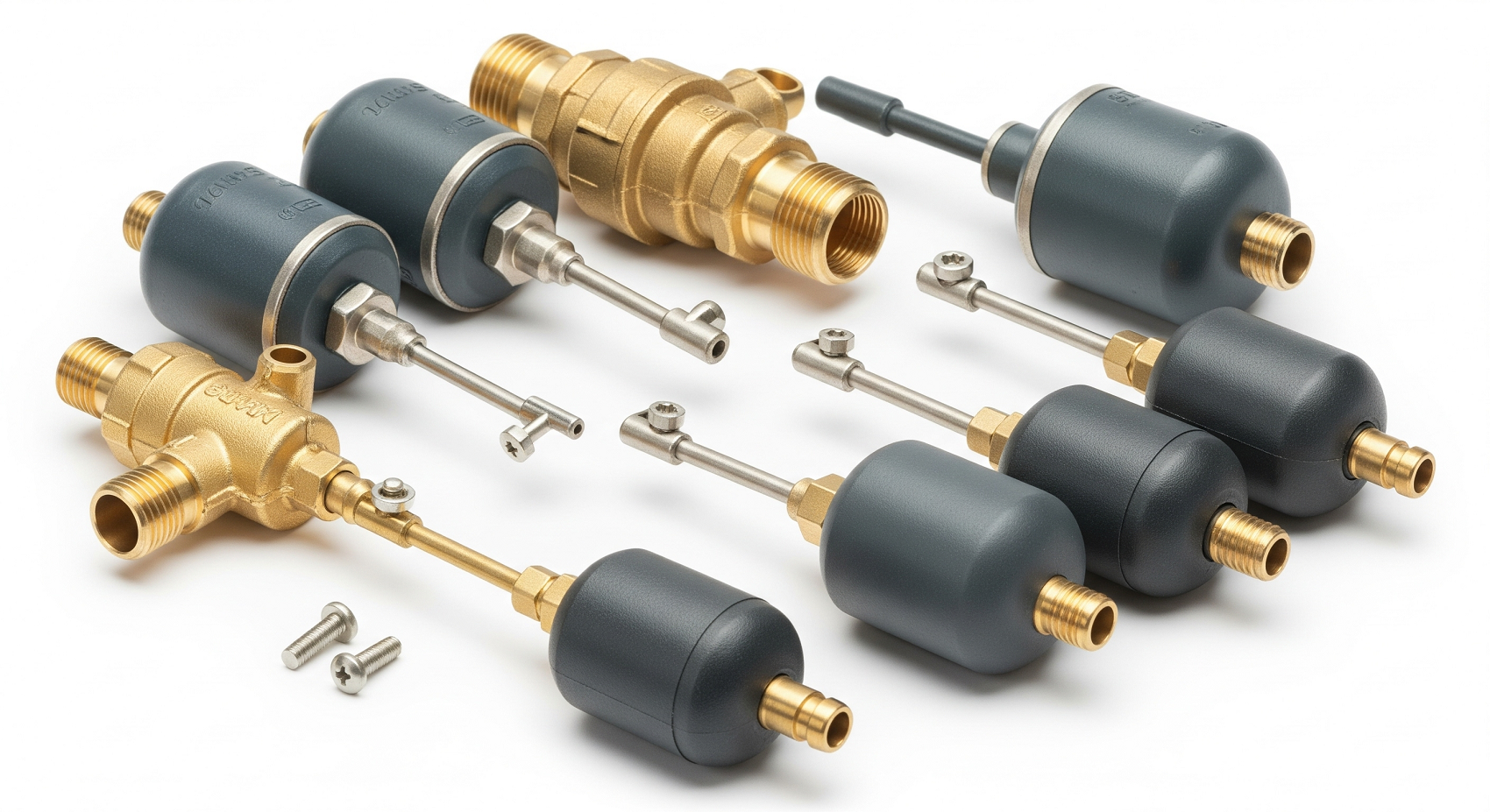
At first look, a solenoid valve might look like a small device, but its benefits are immense. A solenoid valve is an electromechanical device that controls the flow of liquids or gases through a pipe by opening or closing a valve in response to an electrical signal. It consists of two main parts: a coil of wire (solenoid) and a valve. When an electric current passes through the solenoid, it generates a magnetic field that moves a plunger or a valve mechanism, either opening or closing the valve.
A solenoid valve consists of two main parts:
Coil: The coil is like the brain of the operation, receiving signals and generating a magnetic field when an electrical current passes through it.
Valve: Typically, a plunger or a ball, responds to the magnetic field by either opening or closing the passage for the fluid.

How Does A Solenoid Valve Work?

Imagine you’re in your kitchen, about to start your dishwasher. You press the start button, and the dishwasher starts its duty. The electrical current energizes the solenoid coil in the solenoid valve, creating a magnetic field. This magnetic field attracts the movable plunger or armature within the valve, causing it to move. As the plunger moves, it either opens or closes the valve, allowing or preventing the flow of water into the dishwasher.
In simpler terms, a solenoid valve acts as an entry, controlling the flow of a liquid or gas in response to an electrical signal. The speed and effectiveness of this process make solenoid valves a common choice in various industries.

Types of Solenoid Valves

There isn’t a one-size-fits-all solenoid valve. Instead, there are different types designed for specific applications. Here are some common types:

Direct-Acting Solenoid Valves

In these valves, the solenoid directly controls the opening and closing of the valve. Pilot-Operated Solenoid Valves

Pilot-Operated Solenoid Valves

These valves use a small pilot valve to control the flow of a larger valve, making them suitable for high-pressure applications.

Normally Open and Normally Closed Valves

Solenoid valves can be configured to be normally open (closed when energized) or normally closed (open when energized), providing flexibility for different applications.

Two-Way and Three-Way Valves

Two-way valves control the flow of fluid in one direction, while three-way valves can divert flow in two different directions.

Applications Of Solenoid Valves

Now that we’ve explained the inner workings, let’s explore where you might come across solenoid valves in your daily life. These devices are used in a wide range of industries, making them essential in modern machinery. Solenoid valves play a very important role in various industries, offering reliability and flexibility. Here are a few common applications:

Water Control Systems

In buildings and irrigation systems, solenoid valves regulate the flow of water, ensuring efficient use and preventing wastage.

Automotive Industry

Solenoid valves are integral in controlling fuel injection and transmission fluids in vehicles, contributing to smoother and more fuel-efficient rides.

Medical Equipment

In the healthcare sector, solenoid valves are used in equipment like anesthesia machines and fluid dispensers, ensuring precise control over medical gases and liquids.

Manufacturing Processes

Solenoid valves are crucial in manufacturing, where they manage the flow of gases and liquids in various stages of production.

solenoid valves may be a small component, but their importance is significant across diverse industries. These valves ensure the smooth operation of various appliances and industrial processes. So, the next time you start your dishwasher or use any device with a solenoid valve, take a moment to appreciate the technology.

For top-notch solenoid valve solutions in Dubai, look no further than RZBM. As one of the leading Solenoid Valve Suppliers in Dubai, RZBM offers a comprehensive range of high-quality valves for various applications. With a reputation for delivering high-quality products and exceptional customer service, they have become a choice for businesses across various sectors in Dubai. Their complete range of solenoid valves caters to different applications.

Visit our website or contact us today to discuss your solenoid valve needs and discover how RZBM can provide reliable solutions for your business.

Water Leak Fixes with Pipe Repair Clamps

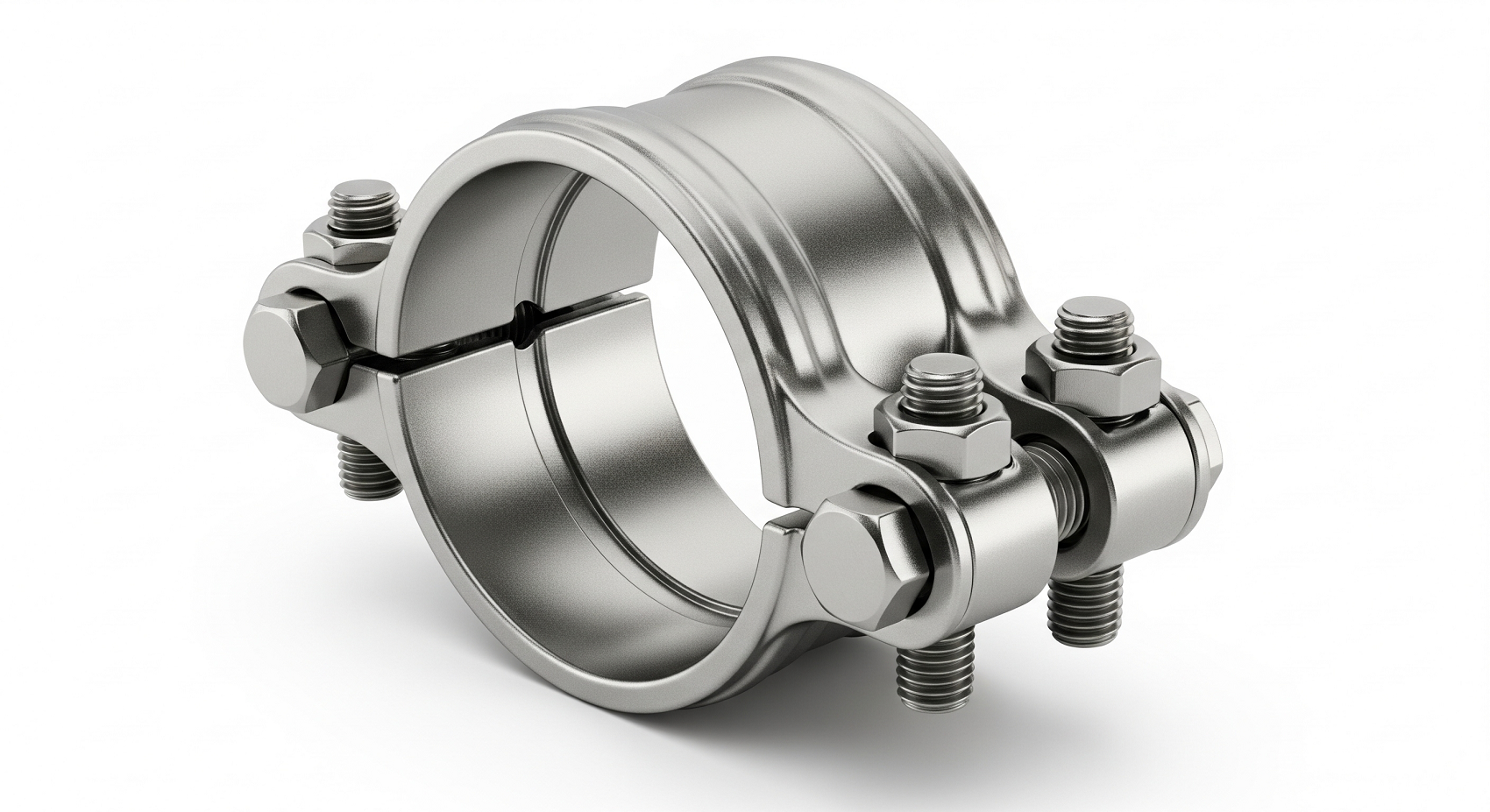
Dealing with a waterline leak can be incredibly frustrating. Whether it’s inside your home or outdoors, fixing pipe leaks can be both troublesome and expensive. Fortunately, there are solutions at your disposal to manage the situation efficiently with pipe repair clamps. Pipe repair clamps are tools used to repair leaks and seal pipes temporarily or permanently. You can even repair locally corroded, damaged, and cracked pipes. Pipeline clamps are often used in domestic, commercial, and residential settings. Moreover, they are compatible with an extensive range of applications with varied dimensions and pressure ratings. But before you head to the nearby store or search online for these products, it is important to understand how they work and how to choose the right device.

A pipe repair clamp comprises a metal sleeve with a flexible rubber pad inside. To repair a leaking pipe, you just position the rubber section of the clamp over the defective or broken area of the pipeline. Afterward, tighten the screws and nuts to secure the clamp firmly in place. This creates a seal that effectively prevents any further leaks. These plates are commonly crafted from materials like stainless steel or other corrosion-resistant alloys. Since it is lined with rubber or any other sealing materials, you can ensure a snug fit around the pipe.

Available in various sizes and styles, pipe repair clamps are designed to accommodate different pipe materials, such as steel, copper, PVC, and cast iron. Widely used across industrial, commercial, and residential settings, these clamps prove invaluable for repairing water, gas, and oil pipelines. Additionally, they find applications in HVAC systems, irrigation systems, and various other piping systems.

How to use Pipe Repair Clamps to fix Leaky Pipes?

Step 1: Turn off the water supply

Before commencing any repair work, ensure to turn off the water supply to the damaged part of the pipeline. You can either turn off the main water supply line or just shut off the valves to the specific area.

Step 2: Find the leak

You need to know where the leak is. So, inspect the pipeline for wet areas or visible damage. Once you have located the leak, make sure it is minor and can be fixed with a pipe repair clamp. If you think the damage is beyond your expertise, it is better to seek the services of a professional plumber.

Step 3: Prepare the Area

Now, that you have found the leak, it is important to clean the damaged part of the pipe. You can use sandpaper, a wire brush, or steel wool. This helps in creating a good sealing around the pipe when you use the clamp.

Step 4: Choose the right pipe clamp

You need to choose the right type of pipe clamp for the repairs. That is why it is recommended to check the pipe size to ensure its compatibility and application requirements.

Step 5: Install the clamp

Depending on the type of clamp, set it down over the damaged part and secure it using a bolt or screw. Check a user manual or follow the manufacturer’s instructions for clamping it over the pipe and ensuring a secure seal.

Step 6: Switch on the water supply

Once you have tightened the clamp, turn on the water supply and check whether there are any issues. Keep in mind to open the nearest faucet or plumbing fixture to drain out any air that got into the pipe during the repairs. If you see any leaks even after the repair, it is wise to call a professional plumber for a permanent solution.

Step 7: Monitor the repair

Look after the repair over the next few days to make sure the clamp is holding and there are no new leaks. If any problems arise, do get in touch with an experienced plumber for further repairs.

Choosing A Pipe Repair Clamp

As with any other tool, getting the right clamp is of utmost importance since it helps in attaining the best results. Below listed are the key factors you need to consider while choosing a pipe repair clamp.

Size of the pipe

To make sure a pipe clamp works well for your pipelines, it has to be the right size. The clamp size is usually measured by its diameter. Before you buy a pipe clamp, think about the outside diameter of the tube or object you want to clamp. If you’re not sure about the size, ask the salesperson for help. Keep in mind that in some places, pipes and tubes may have different diameter measurements, so be sure to check.

Type of clamps

Clamps come in many types, and the choice depends on the type of work you’re doing. When thinking about which clamp to get, be clear about why you need it. For example, clamps used for plumbing are different from those used in metalwork. It’s important to consult with an expert to find the right clamp for your project before buying one. Some clamps are designed for applying a lot of pressure, while others are better for holding things in place.

Ease of use

When selecting a pipe repair clamp, go for one that is easy to install and includes clear instructions. Some models may need special tools or techniques for installation, so choose one that matches your level of skill and experience.

Material

Manufacturers produce pipe clamps using various materials, and this is a crucial factor in your buying decision. When evaluating the right material, make sure to consider its strength and durability. Pipe clamps must be strong enough to support the weight of the pipe without breaking or slipping. It is advised to choose clamps manufactured from high-quality materials, like steel or aluminum.

Now, that you have a better understanding of pipe repair clamps and how it work; start your shopping for good quality pipe clamps. If you are searching for the right place to place your orders, look no further than RZBM.

Choosing the Right AC Spare Parts: A Buyer’s Guide

Are you noticing changes in your home’s temperature or a sudden increase in your utility bills? These issues might be happening because of a fault in your air conditioning units. HVAC systems require regular maintenance, and it’s a good idea to reach out to an experienced plumbing team to inspect and fix the issues. A professional can inspect your HVAC system and find a solution to your problem. Worn-out or faulty components are common reasons your HVAC system goes faulty. In most cases, you have to replace the damaged components to restore the function and performance of the air conditioning unit. With the advent of online shopping, purchasing AC spare parts is more convenient than ever. However, there are various factors that you need to keep in mind when placing your order or buying AC spare parts online.

Know the Exact Part You Need

Before making an online purchase for AC spare parts, it’s important to identify the exact part you need. Given the diversity of parts for different air conditioner models, ensuring a perfect fit for your AC is crucial. Refer to your AC manual or seek advice from a technician to determine the specific AC spare part required. Once you have this information, you can search for it on various online platforms, such as reputable suppliers like RZBM.

Check for quality

When you are purchasing AC spare parts – online or in-store – it is essential to confirm their quality and authenticity. As the market is flooded with counterfeit and substandard components, ending up with a low-quality product is likely. So, before making the purchase, make sure to spend your time evaluating the reputation and authenticity of the seller. Do check the customer reviews and testimonials to get a better idea about their product quality and services. Do they offer warranties? Do they offer certifications? Are they an authorized dealer of any AC brand? You can check for all such things online. Take RZBM as an example – it is one of the reputed MEP suppliers in UAE that maintains rigorous quality control processes and testing to guarantee the quality of the AC parts they deliver.

Compare prices

When purchasing AC spare parts online, comparing prices across different sellers is strongly recommended. Prices can vary significantly, and you want to ensure you’re not paying more than necessary for a specific accessory. There are so many third-party websites and plugins that will help you compare prices from different sellers. However, remember that the cheapest doesn’t always mean the right option. Do consider the quality and warranty terms before making a final choice.

Choose between OEM and aftermarket parts

When it comes to buying AC spare parts, you have two major options to choose from: OEM (Original Equipment Manufacturer) and aftermarket parts. OEM parts are produced by the same manufacturer as the original components in your air conditioner and are usually more expensive. On the other hand, aftermarket parts are made by third-party manufacturers and often come at a lower cost. While aftermarket parts can be a more budget-friendly choice, they may not consistently meet the same standards as OEM parts. Assess your priorities and make an informed decision based on your specific needs and budget

Reviewing shipping and return policies

Before making a purchase, carefully review the shipping and return policies of the seller. It’s crucial to ensure that the AC spare part will be delivered promptly and in good condition. Additionally, familiarize yourself with the seller’s return policy in case the part doesn’t meet your expectations or is damaged during shipping. Reputable sellers like RZBM maintain transparent shipping and return policies, making it easy for customers to make purchasing decisions.

Check for compatibility with the AC model

In addition to finding the specific AC spare part you need, it’s crucial to confirm that the part is compatible with your air conditioner’s make and model. While some parts may appear similar, they could have different specifications that impact how they fit or operate in your AC unit. That is why you must carefully review the product description and specifications before finalizing the purchase. If you are uncertain about making a decision, it is best to seek expert advice or assistance.

Search for discounts and deals

So many online platforms often provide discounts and special offers on various HVAC and MEP supplies. Before making a buying decision, explore ongoing promotions, discount codes, or bundle deals that could potentially save you money. However, exercise caution with deals that appear too good to be true or products with suspiciously low prices, as they may be counterfeit or of inferior quality.

If you have been searching for top-quality AC spare parts, then RZBM is the right shopping destination. With extensive experience in the industry, RZBM supplies all the building materials, HVAC accessories, and units at reasonable costs.