Free Shipping & Return
 Money Back Guarantee
 Online Support 24/7
 Secure Payment

 Welcome

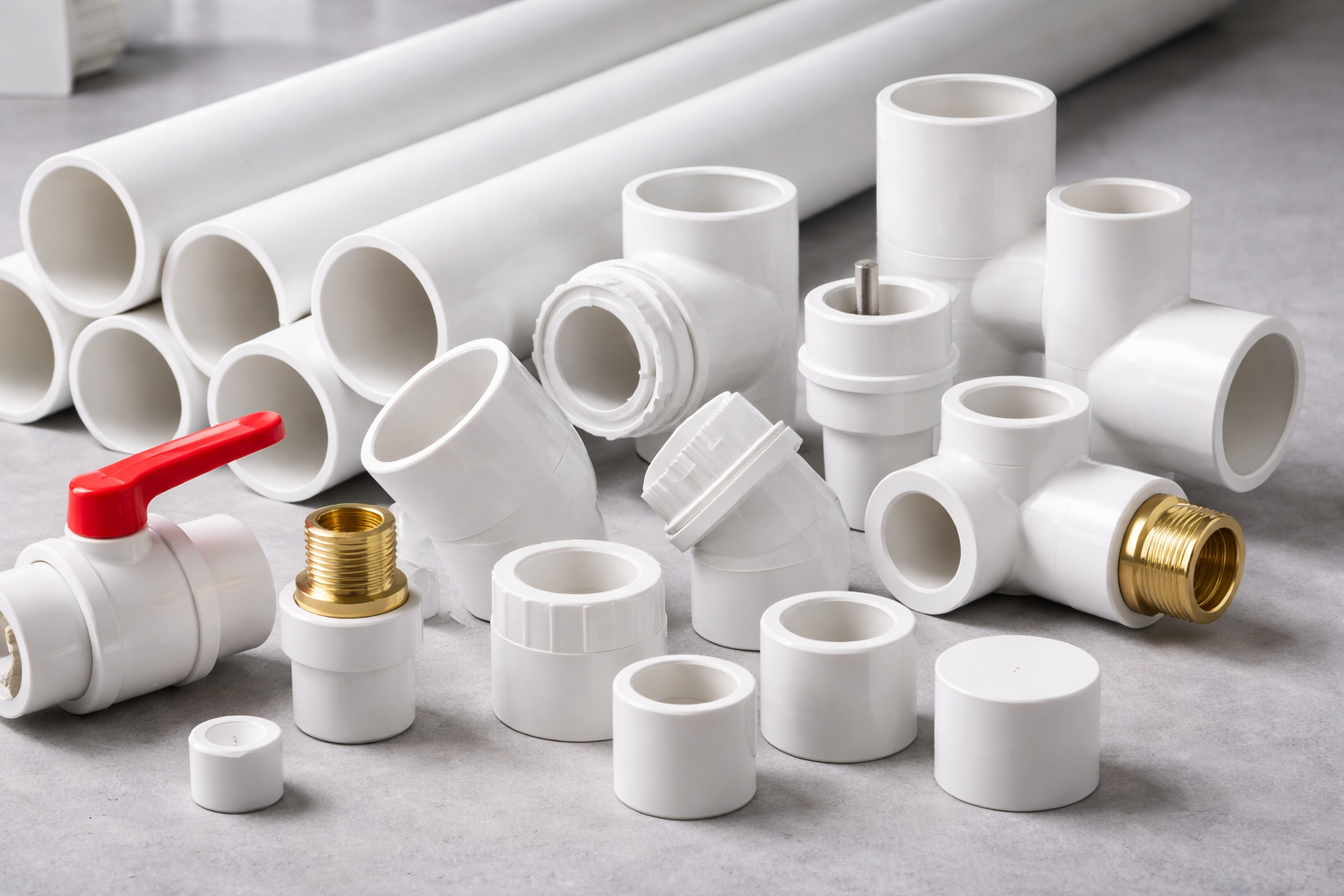
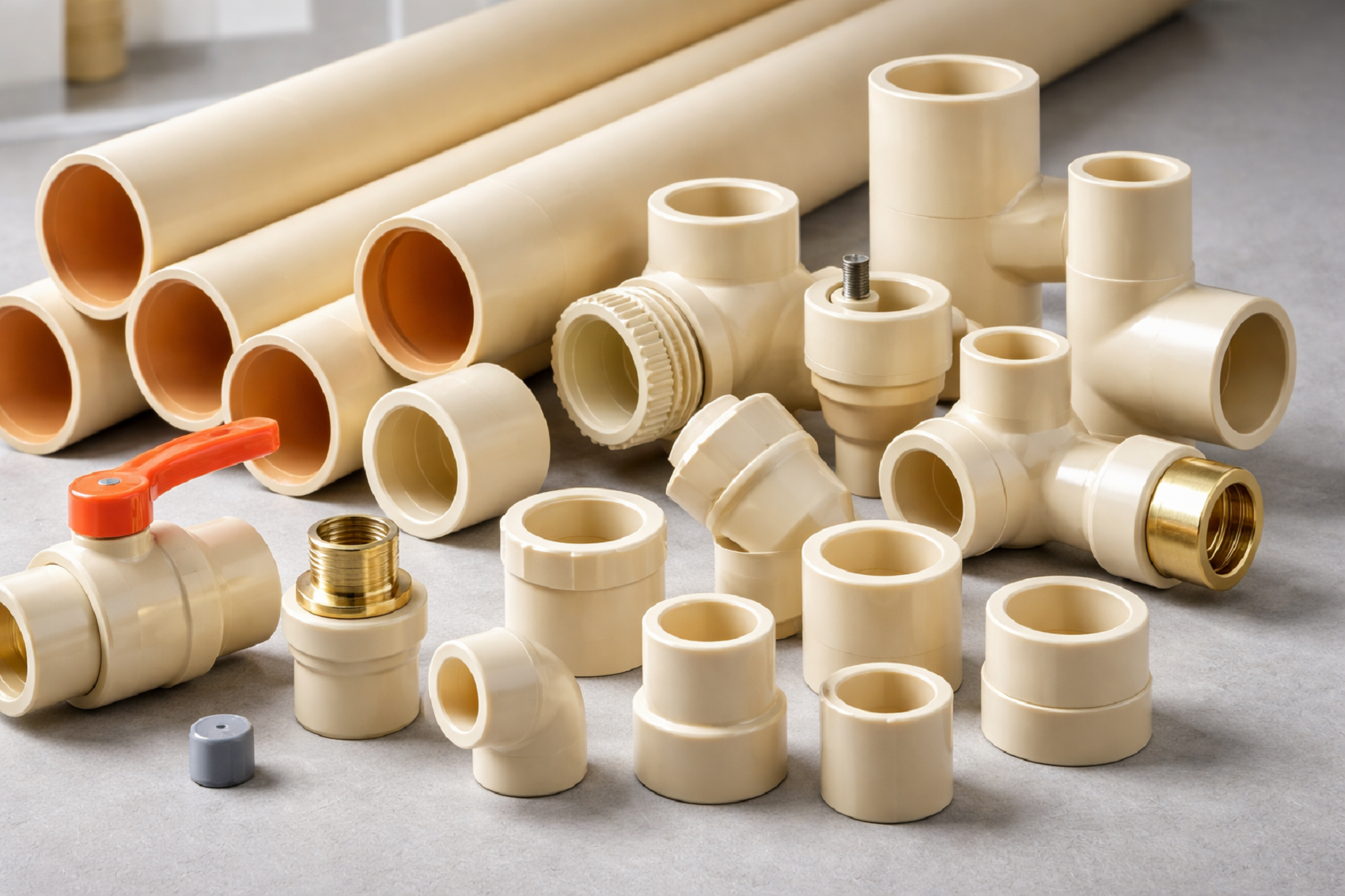
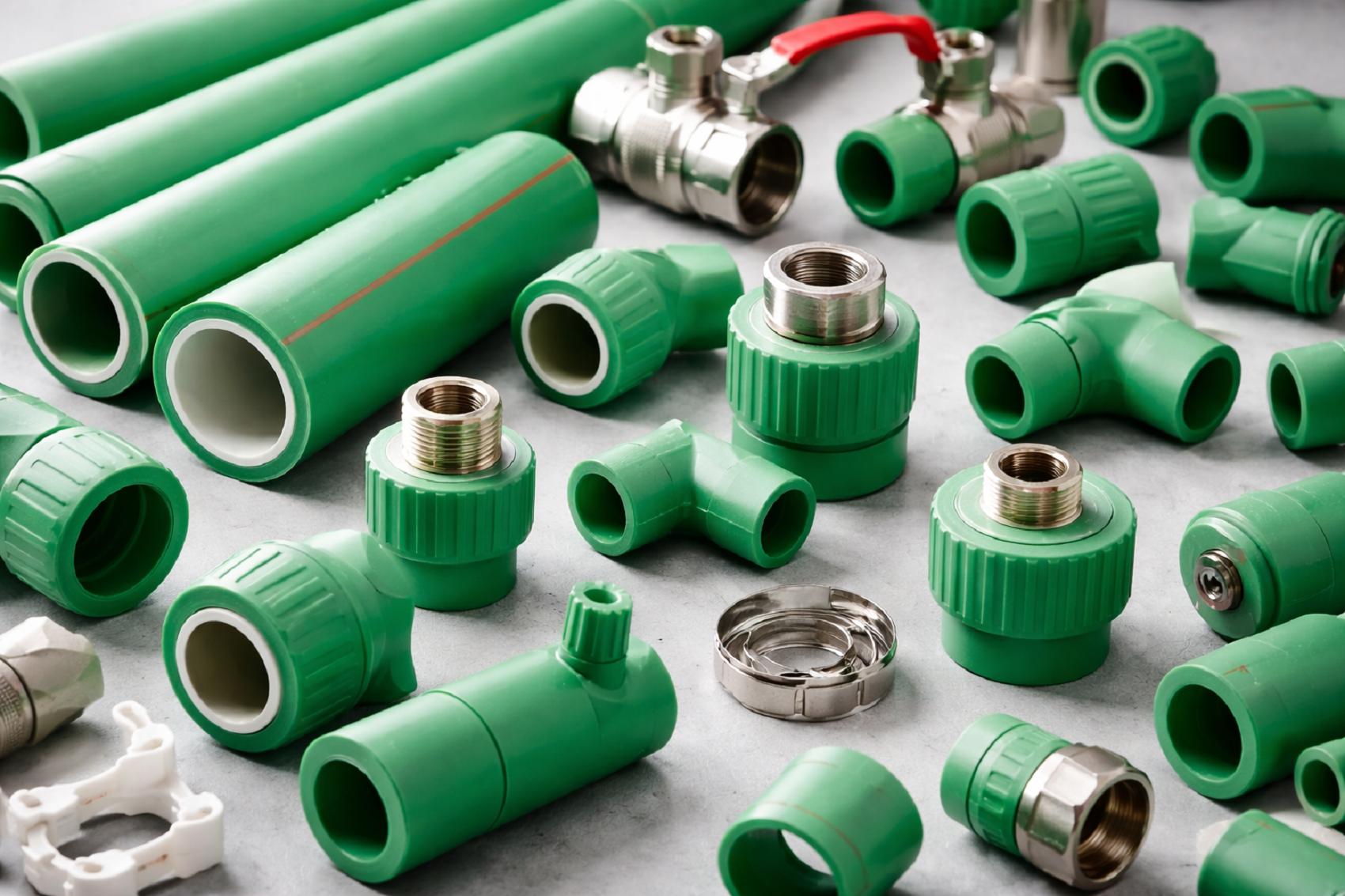
PVC pipe fittings are the components used to connect straight sections of pipe, change the direction of flow, or adapt to different sizes. PVC pipe fittings are specially designed components that connect sections of PVC pipes. These fittings allow plumbers to change the direction of flow, branch off into multiple pipelines, or adjust pipe sizes within a system. Without fittings, pipes would simply be straight lines with no flexibility or function.
Most PVC plumbing fittings are made from polyvinyl chloride (PVC), a thermoplastic known for its durability and resistance to corrosion. Unlike metal fittings, PVC fittings do not rust or react with many chemicals, which makes them suitable for a wide range of plumbing and water distribution applications. These fittings are also designed with specific connection methods. Many are socket-type fittings that allow pipes to be joined using solvent cement. Others may use threaded connections for easy assembly and removal. These variations allow plumbers to choose the most suitable fitting for each application.
At RZBM, high-quality PVC fittings are selected to ensure compatibility with standard piping systems and long-term reliability.
Why PVC Pipe Fittings Are Used In Plumbing Systems?
You might wonder why these specific parts are so dominant in our industry. The reason is simple: reliability and efficiency. PVC plumbing fittings offer exceptional resistance to corrosion, a common issue with metal alternatives. They are lightweight, which makes transport and installation faster for our teams. Their smooth internal surface reduces friction and keeps water pressure consistent. When we at RZBM select materials for a project, we prioritize PVC pipe connectors because they provide the durability needed for both high-rise buildings and underground infrastructure without the risk of rust degrading water quality over time. Cost efficiency also plays a role. PVC fittings perform well while remaining economical for large-scale plumbing networks.
Because of these advantages, PVC pipe joint fittings are used in:
- Water supply systems
- Irrigation networks
- Drainage pipelines
- Building plumbing installations
Common Types of PVC Pipe Fittings
Understanding the common PVC pipe fittings used in plumbing can help you design or maintain a more efficient pipeline system. Different fittings serve different purposes. Some change the direction of flow, while others connect pipes of different sizes or create branch connections. The most widely used PVC pipe fittings include elbows, tees, couplings, unions, reducers, and adapters. Each fitting is engineered to perform a specific function within the plumbing system. When combined properly, these fittings allow plumbers to design complex networks that transport water safely and efficiently through buildings and infrastructure.
PVC Elbow Fittings And Their Uses
Elbow fittings change the direction of a pipe run, typically at 45° or 90°. They are essential for navigating obstacles or turning a horizontal run into a vertical riser. In UAE residential buildings, they route drainage from bathrooms into the main stack. The precision of the angle affects flow velocity, so we maintain strict dimensional accuracy across all PVC pipe fitting types we supply.
PVC Tee Fittings And Their Applications
Shaped like the letter T, tee fittings split one line into two or combine two lines into one. Applications range from irrigation systems feeding multiple zones to sanitary systems connecting sinks and showers to a single waste line. The strength of a tee lies in its structural integrity at the junction.
PVC Coupling And Union Fittings
A coupling joins two straight pipes in a permanent, glued connection. A union, however, is a three‑piece fitting that allows disconnection—essential for areas like pump rooms where maintenance may be required later without cutting into the main pipeline.
PVC Reducer And Adapter Fittings
A reducer transitions from a larger to a smaller pipe diameter, controlling flow rate and pressure. An adapter changes connection types, such as from slip (glue) to threaded. This versatility is critical when connecting PVC systems to existing metal pipes or appliances, preventing mismatches in size or thread type during installation.
Conclusion
Understanding the distinct roles of elbows, tees, couplings, reducers, and adapters transforms a complex plumbing layout into a manageable plan. Each fitting serves a unique purpose, and selecting the right one ensures that your system remains efficient, durable, and safe. Whether you are managing a large-scale infrastructure project or a residential fit-out, the integrity of your network depends on the quality of these components. For all your project needs, trust the quality and expertise that RZBM brings to every connection.
FAQ
What are the most common types of PVC pipe fittings?
The most common types include elbow fittings for changing direction, tee fittings for creating branch lines, coupling fittings for joining straight pipe lengths, and reducer fittings for transitioning between different pipe sizes. These form the backbone of most residential and commercial plumbing systems.
What are PVC elbow and tee fittings used for?
Elbow fittings change the direction of a pipeline, typically at 45° or 90° angles, allowing the system to navigate obstacles or turn corners. Tee fittings create a branch in the line, either splitting a single flow into two directions or combining two flows into one main line.
How do you choose the right PVC pipe fitting?
To choose the right PVC pipe joint fittings, you should first determine the pressure requirements by checking the schedule rating. Next, confirm the size compatibility to ensure the fitting matches your pipe diameter. Finally, verify the application type, ensuring the fitting is rated for your specific use, such as potable water, drainage, or chemical transport.