Free Shipping & Return
Money Back Guarantee
Online Support 24/7
Secure Payment

What Are Pvc Pipe Fittings?

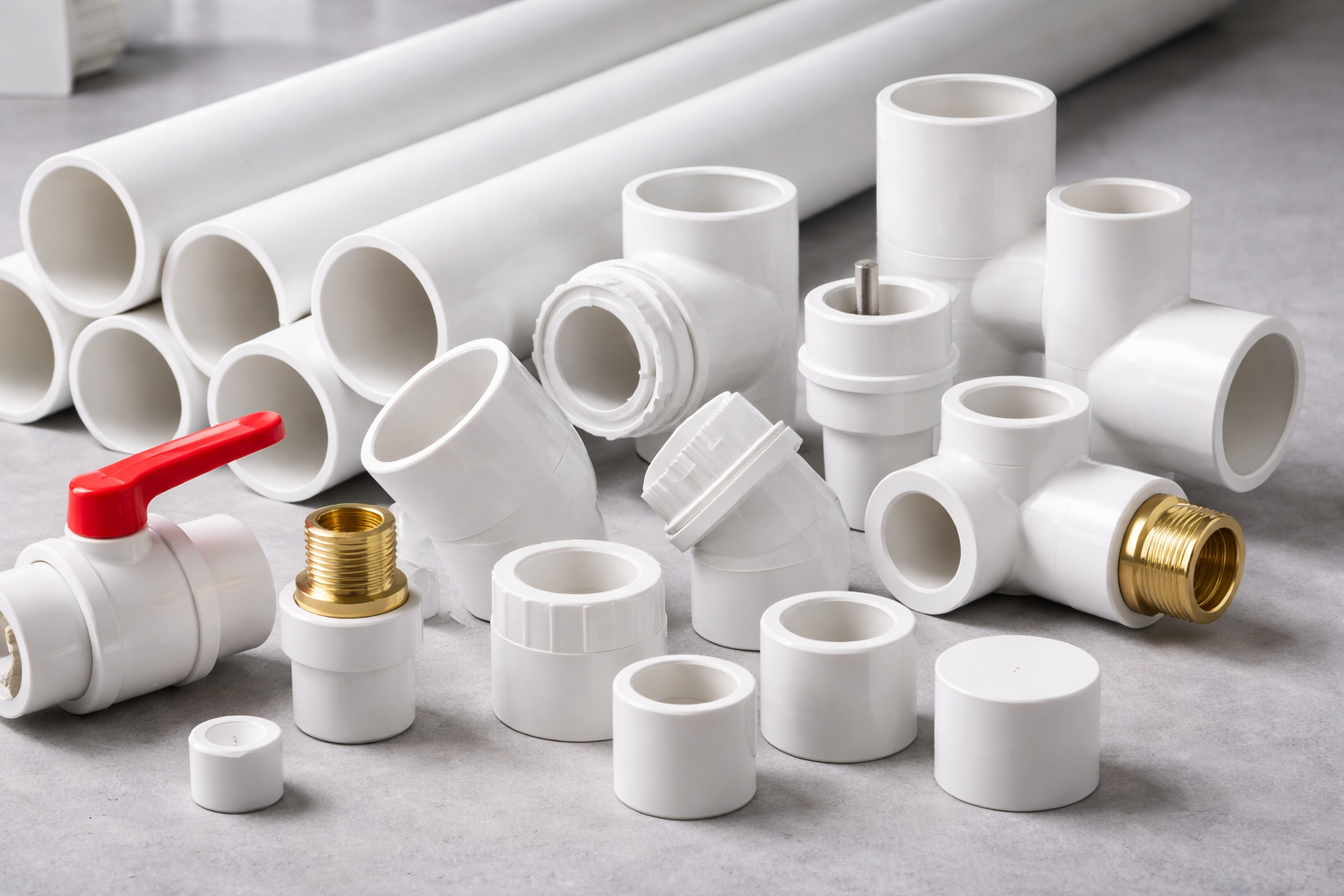
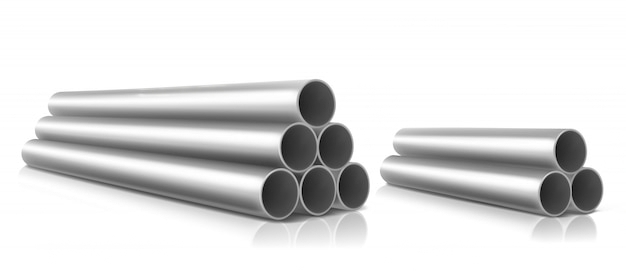
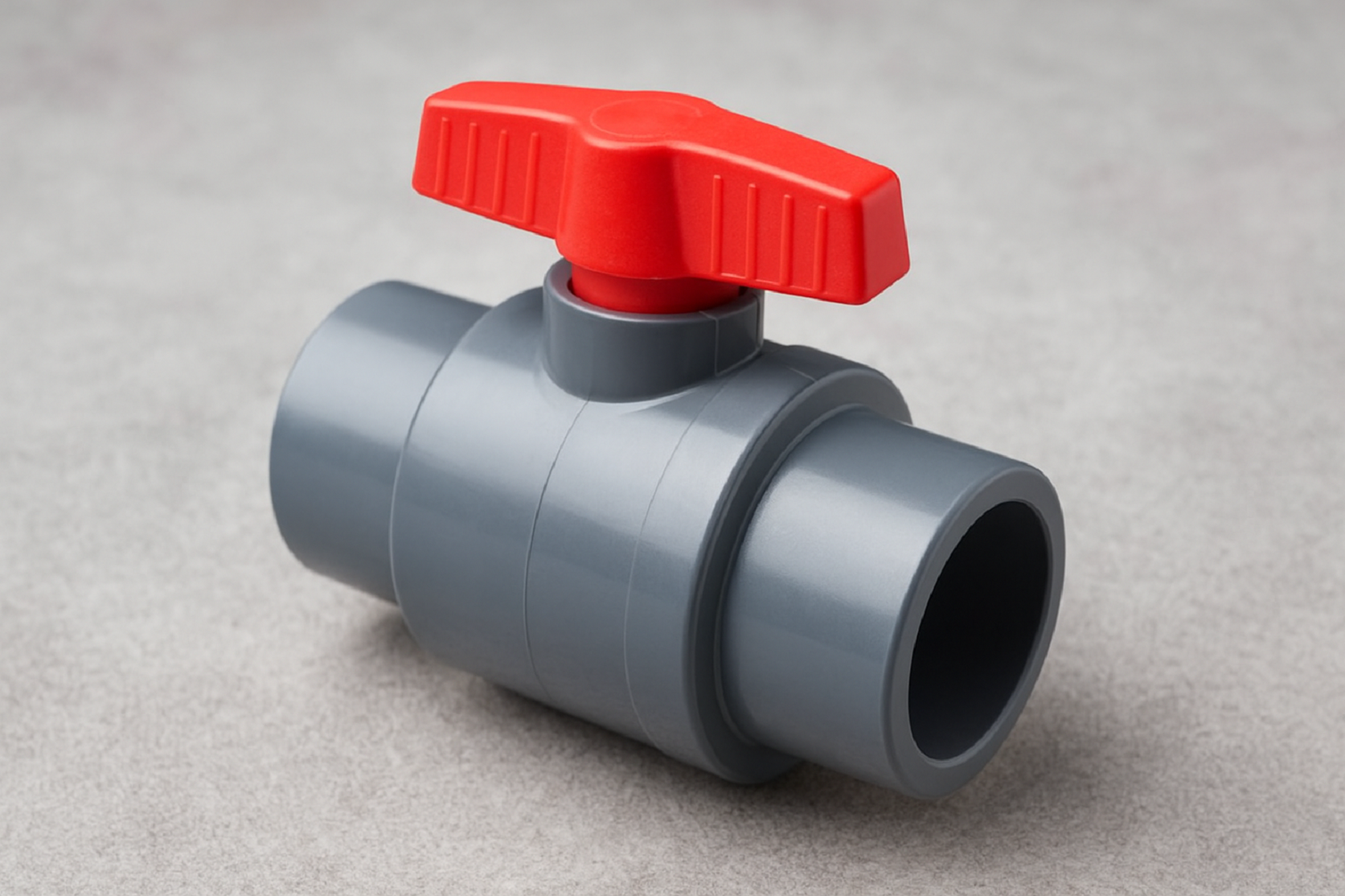
PVC pipe fittings are the components used to connect straight sections of pipe, change the direction of flow, or adapt to different sizes. PVC pipe fittings are specially designed components that connect sections of PVC pipes. These fittings allow plumbers to change the direction of flow, branch off into multiple pipelines, or adjust pipe sizes within a system. Without fittings, pipes would simply be straight lines with no flexibility or function.

Most PVC plumbing fittings are made from polyvinyl chloride (PVC), a thermoplastic known for its durability and resistance to corrosion. Unlike metal fittings, PVC fittings do not rust or react with many chemicals, which makes them suitable for a wide range of plumbing and water distribution applications. These fittings are also designed with specific connection methods. Many are socket-type fittings that allow pipes to be joined using solvent cement. Others may use threaded connections for easy assembly and removal. These variations allow plumbers to choose the most suitable fitting for each application.

At RZBM, high-quality PVC fittings are selected to ensure compatibility with standard piping systems and long-term reliability.

Why PVC Pipe Fittings Are Used In Plumbing Systems?

You might wonder why these specific parts are so dominant in our industry. The reason is simple: reliability and efficiency. PVC plumbing fittings offer exceptional resistance to corrosion, a common issue with metal alternatives. They are lightweight, which makes transport and installation faster for our teams. Their smooth internal surface reduces friction and keeps water pressure consistent. When we at RZBM select materials for a project, we prioritize PVC pipe connectors because they provide the durability needed for both high-rise buildings and underground infrastructure without the risk of rust degrading water quality over time. Cost efficiency also plays a role. PVC fittings perform well while remaining economical for large-scale plumbing networks.

Because of these advantages, PVC pipe joint fittings are used in:

  • Water supply systems
  • Irrigation networks
  • Drainage pipelines
  • Building plumbing installations

Common Types of PVC Pipe Fittings

Understanding the common PVC pipe fittings used in plumbing can help you design or maintain a more efficient pipeline system. Different fittings serve different purposes. Some change the direction of flow, while others connect pipes of different sizes or create branch connections. The most widely used PVC pipe fittings include elbows, tees, couplings, unions, reducers, and adapters. Each fitting is engineered to perform a specific function within the plumbing system. When combined properly, these fittings allow plumbers to design complex networks that transport water safely and efficiently through buildings and infrastructure.

PVC Elbow Fittings And Their Uses

Elbow fittings change the direction of a pipe run, typically at 45° or 90°. They are essential for navigating obstacles or turning a horizontal run into a vertical riser. In UAE residential buildings, they route drainage from bathrooms into the main stack. The precision of the angle affects flow velocity, so we maintain strict dimensional accuracy across all PVC pipe fitting types we supply.

PVC Tee Fittings And Their Applications

Shaped like the letter T, tee fittings split one line into two or combine two lines into one. Applications range from irrigation systems feeding multiple zones to sanitary systems connecting sinks and showers to a single waste line. The strength of a tee lies in its structural integrity at the junction.

PVC Coupling And Union Fittings

A coupling joins two straight pipes in a permanent, glued connection. A union, however, is a three‑piece fitting that allows disconnection—essential for areas like pump rooms where maintenance may be required later without cutting into the main pipeline.

PVC Reducer And Adapter Fittings

A reducer transitions from a larger to a smaller pipe diameter, controlling flow rate and pressure. An adapter changes connection types, such as from slip (glue) to threaded. This versatility is critical when connecting PVC systems to existing metal pipes or appliances, preventing mismatches in size or thread type during installation.

Conclusion

Understanding the distinct roles of elbows, tees, couplings, reducers, and adapters transforms a complex plumbing layout into a manageable plan. Each fitting serves a unique purpose, and selecting the right one ensures that your system remains efficient, durable, and safe. Whether you are managing a large-scale infrastructure project or a residential fit-out, the integrity of your network depends on the quality of these components. For all your project needs, trust the quality and expertise that RZBM brings to every connection.

FAQ

What are the most common types of PVC pipe fittings?

The most common types include elbow fittings for changing direction, tee fittings for creating branch lines, coupling fittings for joining straight pipe lengths, and reducer fittings for transitioning between different pipe sizes. These form the backbone of most residential and commercial plumbing systems.

What are PVC elbow and tee fittings used for?

Elbow fittings change the direction of a pipeline, typically at 45° or 90° angles, allowing the system to navigate obstacles or turn corners. Tee fittings create a branch in the line, either splitting a single flow into two directions or combining two flows into one main line.

How do you choose the right PVC pipe fitting?

To choose the right PVC pipe joint fittings, you should first determine the pressure requirements by checking the schedule rating. Next, confirm the size compatibility to ensure the fitting matches your pipe diameter. Finally, verify the application type, ensuring the fitting is rated for your specific use, such as potable water, drainage, or chemical transport.
 

Benefits Of Cpvc Pipes And Fittings

When we plan a plumbing system for a home, commercial building, or industrial space, the materials we choose matter more than we often realise. Pipes carry water every single day, and they need to handle pressure, temperature changes, and long-term usage without creating problems like corrosion or leakage. This is where CPVC pipes have gained strong attention among engineers, contractors, and property owners.
In this blog, we will explore the benefits of CPVC pipes and fittings, understand what makes them different, and look at their applications in modern plumbing systems. By the end of this guide, you will clearly understand why CPVC pipes have become a preferred choice for many projects and how they can improve the durability and efficiency of your plumbing system.

What Are CPVC Pipes And Fittings?

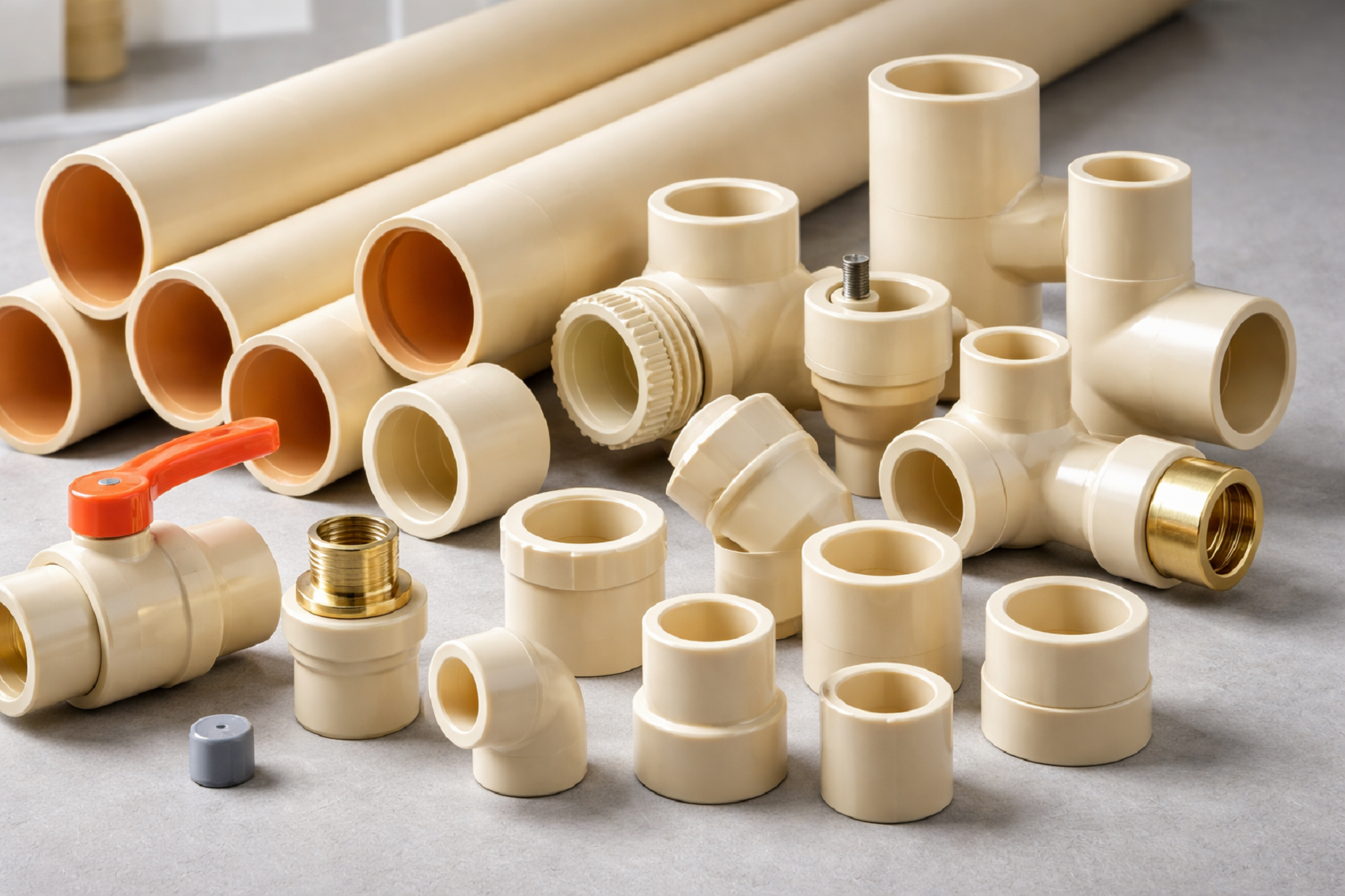
CPVC pipes and fittings stand for Chlorinated Polyvinyl Chloride. It is like the upgraded, stronger cousin of standard PVC. Through a specific manufacturing process, the material is enhanced to withstand much higher temperatures and pressures.
When you look at a CPVC piping system, you are looking at a solution designed specifically for demanding environments. Unlike metal pipes that can react with the water or rust over time, CPVC plumbing pipes offer a clean, smooth interior. This means the water travelling through them stays pure, and the pipes themselves stay strong.

Key Benefits of CPVC Pipes And Fittings And Why They Are Used In Plumbing Systems

When evaluating the benefits of CPVC pipes and fittings, several technical advantages stand out.
• High temperature resistance: Handles hot water up to 93°C, making it ideal for domestic and commercial hot water systems.
• Corrosion resistance: Does not rust or scale like metal pipes, remaining stable even after years of water exposure.
• Smooth inner surface: Reduces friction for efficient flow, maintaining consistent water pressure and lowering pumping energy over time.
• Long service life: Delivers decades of reliable performance when installed properly.
• Lightweight structure: Lighter than metal for simpler transport, handling, and faster, more cost-effective installation.
• Chemical stability: Resists chemicals in water systems, suitable for both residential plumbing and select industrial environments.

Common Applications of CPVC Pipes And Fittings

Thanks to their strength and reliability, CPVC pipes are used across residential, commercial, healthcare, and industrial sectors. They serve as water supply lines in homes, support large-scale distribution in hotels and restaurants, provide non-corroding, contamination-free plumbing in hospitals, and handle chemical transport in industrial facilities where metal piping would fail.

Cpvc Pipes For Hot And Cold-Water Systems

We appreciate the dual capability of CPVC pipes, which offer unmatched versatility for both hot and cold-water systems. For cold water, the material prevents metallic tastes or odours, while for hot water, it truly excels, maintaining structural integrity where standard PVC would soften and deform. Withstanding consistent temperatures up to 200 degrees Fahrenheit, CPVC is ideal for water heaters, solar heating systems, and industrial hot water lines, eliminating concerns about heat-related weakening.

Cpvc Pipes Vs Other Plumbing Materials

While copper, galvanised steel, and PEX are common options, CPVC stands apart. It is more cost-effective than copper, with a safer, faster solvent cement weld instead of an open flame. Unlike heavy, rust-prone steel, CPVC is lightweight and easy to handle. And compared to PEX, it offers greater rigidity and durability, is resistant to rodents and UV exposure, making it the superior choice for demanding installations.

Factors To Consider When Choosing CPVC Pipes And Fittings

If you are planning a project, there are a few technical aspects you should keep in mind to ensure you get the most out of your system.
• Check the pressure rating: Match the pipe schedule to the pressure demands of your pump and building height.
• Assess raw material quality: Not all CPVC pipes are equal. Buy from RZBM that meets rigorous international standards with high-grade compounds for system longevity.
• Account for expansion and contraction: CPVC expands slightly with heat, so design the layout with proper supports to allow for movement and prevent stress on joints over time.

Conclusion

Choosing the right material for your plumbing is about more than just moving water from point A to point B. It is about protecting your investment, ensuring the health of your family or occupants, and avoiding the headache of constant repairs. A reliable CPVC piping system gives you the freedom to live your life without worrying about leaks, corrosion, or water contamination. It is the silent guardian of your property.
Here at RZBM, we are passionate about delivering quality and reliable CPVC pipes in UAE.

FAQ

Are CPVC pipes good for a hot water supply?

Yes, absolutely. CPVC pipes and fittings are specifically engineered to handle hot water applications. They can withstand continuous temperatures up to 200 degrees Fahrenheit without deforming or losing structural integrity, making them the ideal choice for water heaters and solar water heating systems.

Where are CPVC pipes commonly used?

CPVC pipe applications are extensive. They are commonly used in residential plumbing for hot and cold-water distribution, in high-rise buildings for riser systems, in commercial kitchens, hospitals for medical gas and water lines, and in fire sprinkler systems due to their flame resistance and high-pressure handling capabilities.

How long do CPVC pipes last?

When properly installed and used within their designed parameters, CPVC pipes and fittings have a proven lifespan of over 50 years. Their resistance to corrosion, chemicals, and physical wear ensures they maintain their integrity far longer than traditional metal piping systems.

What Is A Thermostatic Mixing Valve?

Have you ever turned on a tap expecting warm water, only to get a sudden burst of scalding heat or an icy shock instead? In commercial buildings, hotels, hospitals, and even residential projects across the UAE, this is more than just uncomfortable. It can be dangerous and costly.
In this blog, we will clearly explain what a thermostatic mixing valve is, how thermostatic mixing valves work, and how you can choose the right solution for your project with confidence.

Thermostatic Mixing Valve

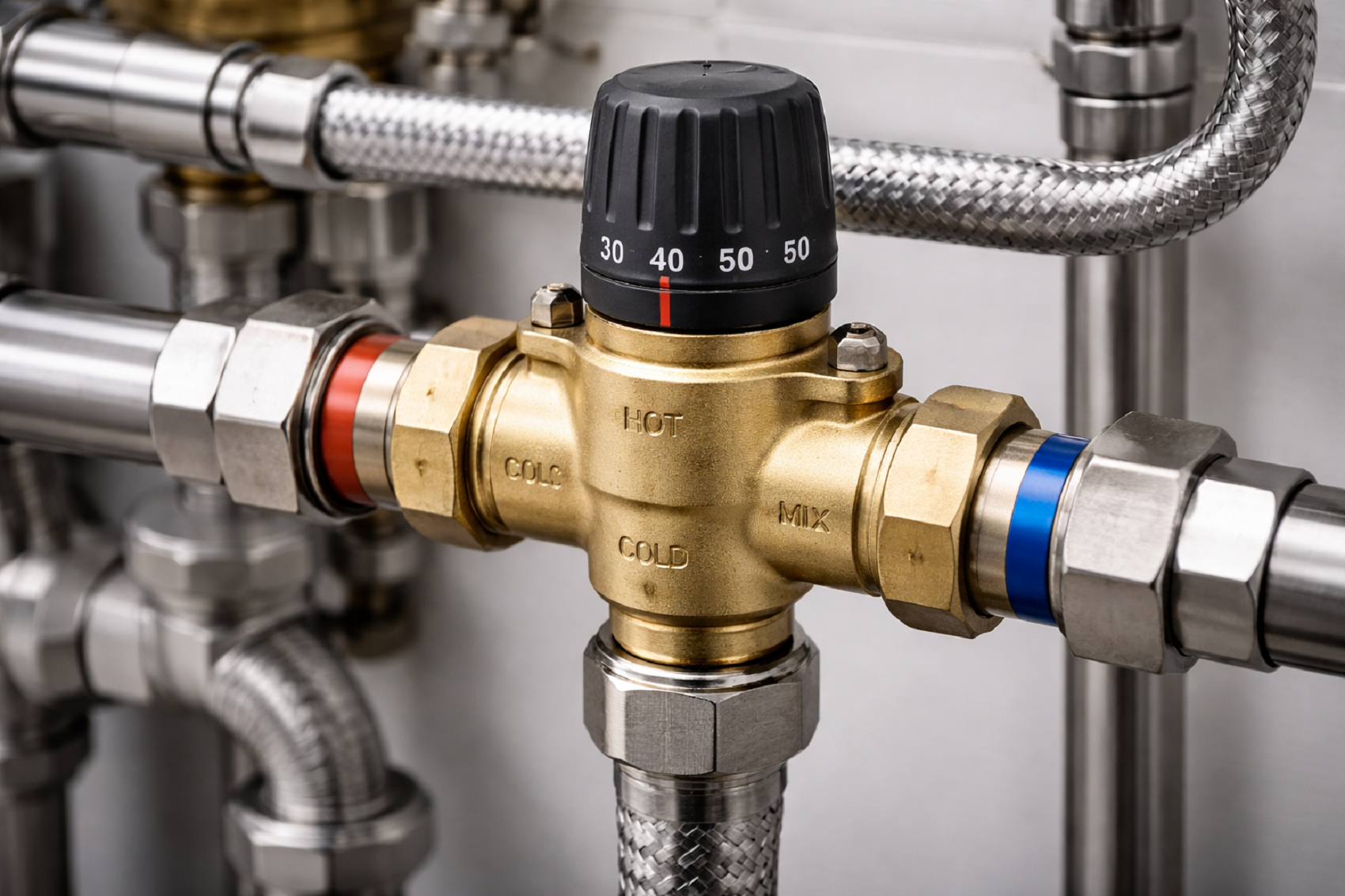
A Thermostatic Mixing Valve (often abbreviated as TMV) is a precision plumbing device designed to blend hot and cold water to deliver a consistent, safe outlet temperature. Instead of manually adjusting two separate lines and hoping for the best, a Thermostatic mixing valve automatically regulates the mix to maintain a stable set temperature, even if pressure or supply temperature changes.
In many UAE buildings, hot water is stored at high temperatures to prevent bacterial growth, such as Legionella. However, delivering water at those temperatures directly to taps and showers can cause scalding within seconds. A Thermostatic mixing valve solves this by reducing the outlet temperature to a safe and controlled level.

Key Components Of A Tmv

To truly understand how thermostatic mixing valves work, we need to look inside the valve itself. A Thermostatic mixing valve is not just a simple connector. It contains engineered components that react to temperature changes in real time.
Here are the key internal parts:
1. Thermostatic element: This is the core of the valve. It contains a wax or liquid-filled sensor that expands or contracts depending on water temperature.
2. Piston or shuttle mechanism: Connected to the thermostatic element, this part moves to regulate the proportion of hot and cold water entering the mixing chamber.
3. Hot and cold-water inlets: Separate entry points allow controlled blending inside the valve body.
4. Mixing chamber: This is where hot and cold water combine before exiting at the desired temperature.
5. Temperature adjustment knob: Allows you or the installer to set the required outlet temperature.

How A Thermostatic Mixing Valve Regulates Temperature?

The process is automatic and continuous. When hot and cold water enter the valve, the thermostatic element constantly senses the mixed water temperature. If the outlet temperature rises above the set point, the element expands. This movement pushes the piston to reduce hot water flow and increase cold water flow.
If the outlet temperature drops below the set point, the element contracts. The piston then allows more hot water to enter the mixing chamber. This adjustment happens instantly and continuously. The result is a stable water temperature at the outlet.

Hot And Cold Water Mixing Mechanism

The mixing mechanism inside a Thermostatic mixing valveis designed for proportional control. Instead of simply opening or closing one side, the valve balances both supplies dynamically.
Here is how it works in stages:
• Stage 1: Hot and cold water enter through separate ports.
• Stage 2: The thermostatic element measures the blended water temperature in the chamber.
• Stage 3: The piston shifts position to increase or decrease either inlet.
• Stage 4: Mixed water exits at a consistent temperature.
This proportional blending is what ensures comfort and safety in high-occupancy environments such as hospitals and hotels across the UAE.

Automatic Temperature Adjustment

One of the biggest advantages of a Thermostatic mixing valve is automatic adjustment. Manual valves require human intervention. TMVs do not. If there is a sudden drop-in cold-water pressure, the valve immediately senses the temperature rise and restricts hot water flow. If the hot water temperature falls due to heavy usage, the valve compensates by allowing more hot water into the chamber to maintain balance.

Common Applications Of Tmvs

A Thermostatic mixing valve is used in a wide range of systems across the UAE. Common applications include:
• Hospitals and clinics
• Hotels and serviced apartments
• Residential towers
• Schools and universities
• Industrial wash stations
• Labour accommodation facilities

Maintenance Tips For Thermostatic Mixing Valves

Even though a Thermostatic mixing valve is a robust device, regular maintenance ensures long-term performance. We recommend the following practices:
• Periodic temperature testing
• Cleaning internal strainers
• Inspecting seals and moving parts
• Scheduled calibration

Benefits Of Using A Thermostatic Mixing Valve

• Enhanced user safety
• Stable water temperature
• Reduced risk of scalding claims
• Improved system efficiency
• Better compliance with building standards
• Extended plumbing system life
In commercial buildings, even a single scalding incident can result in liability issues. A Thermostatic mixing valve significantly reduces that risk.

Choosing The Right Tmv For Your System

Not all valves are the same. Choosing the correct Thermostatic mixing valve depends on several factors.
You should consider:
• Required flow rate
• Inlet pressure conditions
• Application type
• Temperature range
• Compliance standards
• Maintenance accessibility
If you are designing or upgrading a plumbing system and need expert guidance on selecting the right thermostatic mixing valve, our team at RZBM is here to support you.

Advantages And Disadvantages Of Diaphragm Valves

Ever installed a valve that looked perfect on paper, only to find it struggling with media compatibility, leakage, or maintenance issues later on? If you work in industrial projects across the UAE, you know how critical the right valve selection can be. In this blog, we will walk you through the real-world advantages and disadvantages of Diaphragm Valves, so you can confidently choose what works best for your system and avoid costly mistakes.

Diaphragm Valves

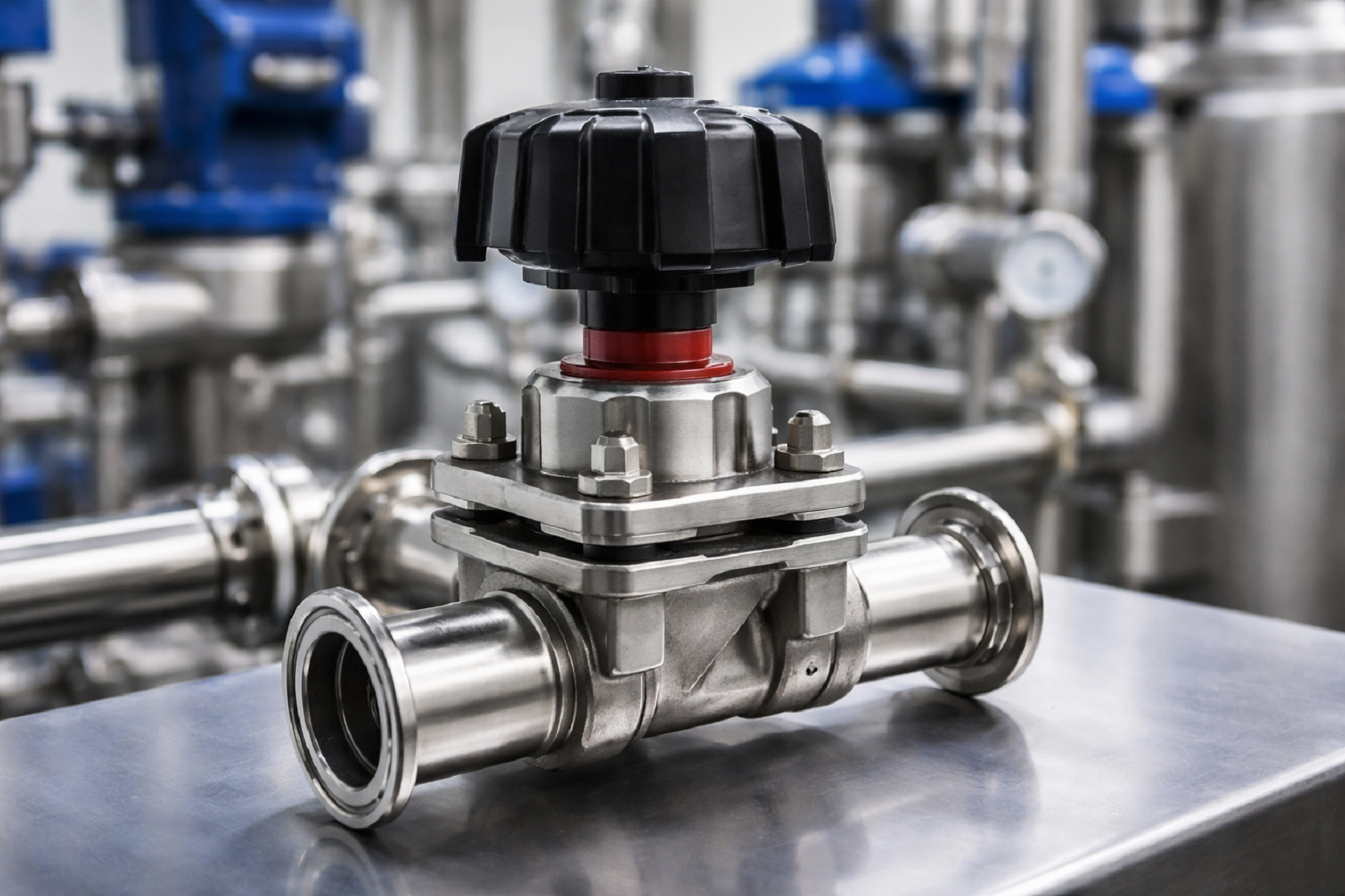
Diaphragm Valves are shut off and control valves that use a flexible diaphragm to regulate the flow of fluids. Instead of relying on a traditional seat and disc arrangement, these valves use a soft elastomer or polymer membrane to press against a weir or seat, effectively sealing the flow path.

Key Components And Working Principle

To understand the Diaphragm valve advantages, we first need to look at how they work.
Components
• Valve body
• Flexible diaphragm
• Compressor or piston
• Bonnet
• Actuator or handwheel
Working principle

Just like pressing your thumb down on the opening of a garden hose to stop the water. That’s the basic idea. When you turn the handwheel, the actuator pushes the compressor down, forcing the diaphragm against the weir (a raised lip in the body) to stop flow. To open it, you lift the compressor, and the diaphragm pulls away, allowing fluid to pass through freely. It’s simple, effective, and keeps the messy stuff away from the moving parts.

The biggest technical advantage here is that the operating mechanism is separated from the process media. This prevents contamination and protects internal moving parts from corrosion.
For industries in the UAE dealing with aggressive chemicals or treated water, this isolation is one of the major Benefits of diaphragm valves.

Advantages Of Diaphragm Valves

Now, let’s talk about why you should consider these for your next project. The Diaphragm valve advantages are numerous, especially when you consider the demanding environments we face in the Gulf region.
Superior leak-proof operation: Because the diaphragm creates a perfect seal between the bonnet and the body, there’s virtually zero chance of stem leakage. This is a massive win for safety and environmental compliance, especially when handling volatile or toxic substances.
Exceptional corrosion resistance: In the UAE, we deal with a lot of aggressive media, from acids in chemical plants to high-chloride seawater in desalination. Diaphragm valves, especially those lined with PTFE or rubber, offer incredible resistance, ensuring a long service life without rusting or degrading.
Hygienic and contamination-free: Since the operating mechanism is completely isolated, there is no risk of lubricants or moving parts contaminating your media. This makes them the gold standard for the pharmaceutical, food, and beverage industries. They are designed to be clean and keep your product pure.
Low maintenance requirements: With fewer moving parts exposed to the media, there’s less that can go wrong. Maintenance is usually as simple as replacing the diaphragm itself, which can often be done quickly without even removing the valve body from the pipeline.
Handles difficult fluids: Are you dealing with slurries, viscous fluids, or fibrous materials? Traditional valves can get clogged. The streamlined design of a diaphragm valve allows these fluids to pass through.

Disadvantages Of Diaphragm Valves

Pressure and temperature limitations: The flexible diaphragm is the valve’s strength, but also its weakness. They are generally not suitable for very high-pressure systems (typically maxing out around 300 psi) or extreme temperatures (usually between -60°F and 450°F, depending on the material). Pushing beyond these limits can damage the diaphragm.
Not ideal for precise throttling: While they are fantastic for on/off service and basic flow control, they aren’t the best choice for applications requiring extremely precise flow modulation. Other valve types, like globe or control valves, offer better accuracy for fine-tuning flow rates.
Limited application range: Because of the pressure and temperature restrictions, you can’t use them everywhere. In high-pressure steam lines or high-pressure hydraulic systems, they simply won’t hold up.
Diaphragm wear and tear: The diaphragm is a consumable part. Over time, with constant flexing and exposure to media, it will wear out and need replacement.

Applications Of Diaphragm Valves

1. Water treatment plants
• Chemical dosing lines
• Filtration systems
• Sludge handling
2. Chemical processing
• Acid transfer lines
• Corrosive fluid handling
• Storage tank isolation
3. Food and beverage industry
• Hygienic flow control
• CIP systems
• Non-contamination requirements
4. Pharmaceutical manufacturing

Final Thoughts On Advantages And Disadvantages Of Diaphragm Valves

When we evaluate the Advantages and Disadvantages of Diaphragm Valves, the conclusion is clear. They are highly effective for corrosive, hygienic, and slurry-based applications. However, they are not designed for extreme pressure or high-temperature systems.
If you focus on proper material selection, correct sizing, and realistic operating conditions, Diaphragm Valves can deliver reliable performance and long service life in UAE industrial environments.

How to Install a Shower

Installing a shower may look simple on the surface, but anyone who has worked with plumbing knows that it is one of those tasks where small mistakes can lead to big problems later.
The good news? With the right planning, solid guidance, and high-quality parts, installing a shower can be a deeply rewarding project that enhances your daily routine. We’re here to walk you through it, not with confusing jargon, but with clear, step-by-step advice. At RZBM, we believe everyone deserves a shower that works perfectly for them.

Before You Begin

We cannot stress this enough. The single most important step happens before you touch a single pipe. You must be thorough.
First, know what you’re working with. In the UAE, our plumbing can vary. Most modern villas and apartments use a pressurized system, often with a central water heater or individual boilers. You need to identify your system type. Is it a gravity-fed system from a tank on the roof, or a pressurized one? This will impact the kind of shower valve and pump you might need.

Next, gather your tools and materials. You will need: a good quality pipe wrench, adjustable spanners, Teflon tape (plumber’s tape), a spirit level, a drill, screwdrivers, and possibly a hole saw for tiles. Most crucially, you need the right components. At RZBM, we supply only the highest-grade shower fittings, valves, and heads because we know that in our region, longevity and performance are non-negotiable.

Finally, turn off the water. Locate the main shut-off valve for your home and close it. Then, open the existing taps and shower to drain the pipes and release any pressure. This simple step prevents a very wet and potentially damaging surprise.

Fitting The Valve

The shower valve is the brain of your shower. It’s the part behind the wall that mixes hot and cold water to your desired temperature and controls the flow. Installing it correctly is critical for safety and comfort.
If you are replacing an old valve, you will need to carefully remove the existing one. If this is a new installation, you’ll need to mark the exact height on your wall.
Connect your new valve to the hot and cold water supply lines using proper connectors. Ensure the threads are clean and wrap them generously with Teflon tape in a clockwise direction. This creates a watertight seal. Do not overtighten the connections. A snug fit is all you need; over-tightening can strip threads or crack fittings.

As you secure the valve into the wall, use your spirit level. This is not the step to eyeball. A crooked valve means a crooked handle plate, and that’s a daily reminder of a rushed job. Once the valve is perfectly level and firmly fixed to the wall framing, you can connect it to the shower arm outlet (the pipe that will eventually hold your shower head).

Fitting The Shower Head And Arm

The shower arm is the pipe that comes out of the wall. Screw it into the valve outlet you connected earlier, again using Teflon tape on the threads. Tighten it firmly by hand, then give it a little more with a wrench, but be gentle. The goal is for it to point straight down.
Now, for the best part, your shower head. Before attaching it, remove any plastic protective covers from the inlet. Wrap the shower arm threads with Teflon tape and screw on your new shower head. Hand-tight is usually sufficient here. You want to be able to adjust its angle easily.
Consider the height. The standard is about 2100mm from the floor, but this is your shower. Hold it up and see what feels right. Maybe you prefer it higher for a rain-like effect. The beauty of a custom installation is making it work for you.

Finally

Before you seal up any walls with tiles or access panels, you must test your work. This is the final, crucial check.
Slowly turn your main water supply back on. Listen for any immediate hissing sounds. Then, with the shower valve in the off position, check every connection you made for even the smallest drip. If you see a leak, turn the water off and tighten the connection a little more. Sometimes a second wrap of Teflon tape is needed.
Now, turn the shower on. Let the water run. Check again for leaks, especially around the valve handles and shower arm. Test both the hot and cold functions. Adjust the temperature control to ensure it moves smoothly from cold to hot.

Once you are confident there are no leaks and everything works, you can proceed to finish the wall. Install your chosen handle and faceplate onto the valve, following the manufacturer’s instructions for a sleek, professional look.

Your Perfect Shower, Powered By Rzbm

At RZBM, we are more than just suppliers; we are your resource for quality. We provide robust, dependable shower fittings designed to perform flawlessly in your home. From thermostatic mixer valves that guarantee a safe, consistent temperature to shower heads that deliver the perfect spray, our focus is on bringing you lasting quality.

Visit RZBM today. Explore our range of premium shower fittings and find the perfect components for your project.

Ppr Pipes and Fittings: Types and Uses

When you plan a plumbing system, whether it is for your home, a commercial space, or a large-scale project, the quality of pipes and fittings you choose matters more than most people realise, at RZBM, we work closely with contractors, plumbers, and project owners every day. Therefore, we see firsthand how the right PPR pipes and fittings can make installations smoother, systems stronger, and maintenance easier for years to come.

Types Of Ppr Pipes

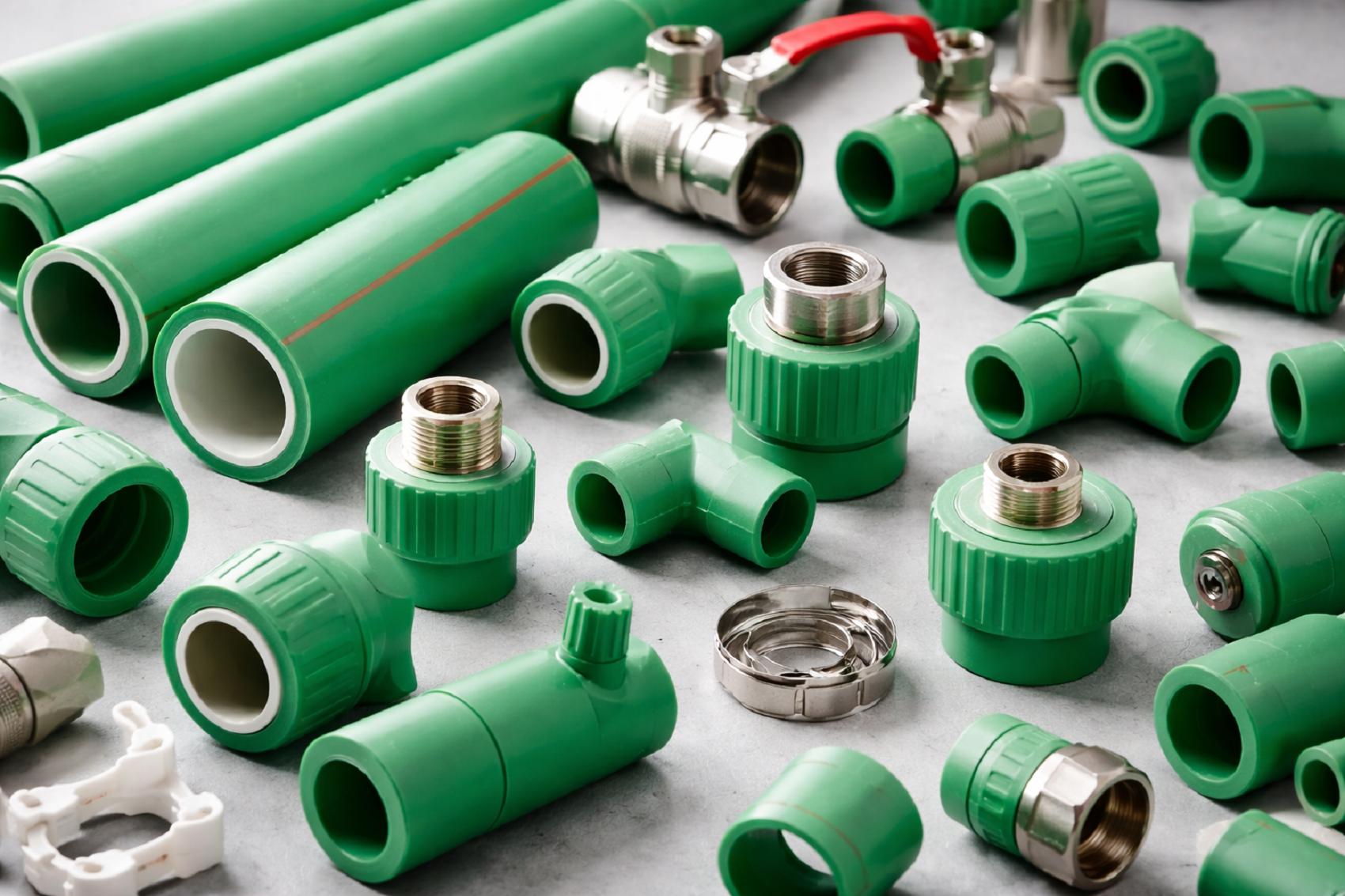
Greentherm PPR C Pipes: Greentherm PPR C pipes are widely used for standard hot and cold water distribution. These pipes are ideal for residential plumbing, wash areas, kitchens, and shower fitting lines. The material offers excellent resistance to scaling and corrosion. This means your water flow remains consistent and hygienic over time.

From a technical perspective, PPR C pipes perform well within standard temperature and pressure ranges, making them suitable for daily water usage systems.
ThermaPlus PPR FR Pipes: ThermaPlus PPR FR pipes are fibre reinforced. The fibre layer controls linear expansion and improves dimensional stability. This becomes important in hot water risers, concealed lines, and long pipe runs.

At RZBM, we often suggest PPR FR pipes for projects where alignment accuracy matters, such as vertical plumbing shafts and premium shower fitting layouts. Reduced expansion means fewer stress points at joints and supports.

PPR AL Composite Pipes: PPR AL composite pipes include an aluminium layer between PPR layers. This structure provides enhanced strength and thermal resistance. The aluminium barrier also acts as an oxygen diffusion layer, which is important in heating systems.

Technically, these pipes combine the corrosion resistance of plastic with the stability of metal. We often see them used in boiler connections and hot water distribution, where long-term performance is critical.

Pneumatic PPR Pipes: PPR pneumatic pipes are designed specifically for compressed air systems. They handle pressure fluctuations efficiently and offer smooth airflow with minimal friction loss.

While not commonly used for shower fitting, they are important in workshops, service facilities, and technical installations where clean air delivery is required.
PPR CT Pipes: PPR CT pipes are engineered for higher temperature resistance through modified crystallinity. These pipes maintain mechanical strength even under elevated thermal loads.

Types Of Ppr Fittings

Elbows: Elbows are used to change the direction of piping systems. They ensure smooth water flow without pressure loss.

Tees: Tees allow the pipeline to split into multiple directions. They are commonly used in water distribution networks.

Couplings: Couplings are used to connect two straight pipe sections securely and leak-free.

Valves: PPR valves control water flow within the piping system. They are essential for maintenance and safety.

End caps: End caps are used to close the end of a pipeline, preventing leakage and contamination.

Reducers: Reducers connect pipes of different diameters, ensuring smooth transition and consistent flow.

Flanges: Flanges provide detachable connections between pipes and equipment, making installation and maintenance easier.

Crosses: Cross fittings allow four-way connections and are used in complex distribution systems.

Caps: Caps seal pipe openings and are often used during testing or future system expansion.

Practical Uses Of Ppr Pipes And Fittings

Residential plumbing and shower fitting systems: In homes, PPR pipes are commonly used for water supply lines, bathrooms, and kitchens. For shower fitting installations, PPR pipes provide stable pressure and consistent temperature delivery. Their fusion joints prevent hidden leaks behind tiles and walls.
We often guide installers on correct pipe sizing and fitting placement to ensure optimal shower performance without pressure drops.

Underfloor Heating and heating systems: PPR pipes perform well in underfloor heating due to their thermal resistance and flexibility. In radiator and boiler connections, fibre-reinforced and composite pipes help manage heat expansion while maintaining alignment.

Commercial buildings: In offices, hotels, and retail spaces, PPR systems support centralised water distribution. Chilled water systems benefit from the non-corrosive nature of PPR, reducing maintenance and extending system life.

Industrial and technical applications: PPR pipes are used for chemical transport where mild chemicals are involved. Their resistance to many acids and salts makes them suitable for industrial water lines. Pneumatic PPR pipes support compressed air systems with reliable pressure handling.

Water Treatment and healthcare facilities: In water treatment plants, PPR pipes ensure clean and contamination-free distribution. In healthcare facilities, hygiene is non-negotiable. PPR pipes do not leach harmful substances and support sterile water systems.

Outdoor and specialised applications: UV-resistant PPR pipes are used in outdoor plumbing and rainwater harvesting systems. Sprinkler systems benefit from smooth internal surfaces that ensure uniform water distribution.

Conclusion

Choosing the right PPR is about understanding how materials behave under real conditions and how every joint contributes to system performance. Whether you are planning a simple shower fitting upgrade or a complete plumbing network, the right choices today save time, cost, and stress tomorrow.

What Is A Control Valve? An Introduction For Modern Industries?

Control Valve

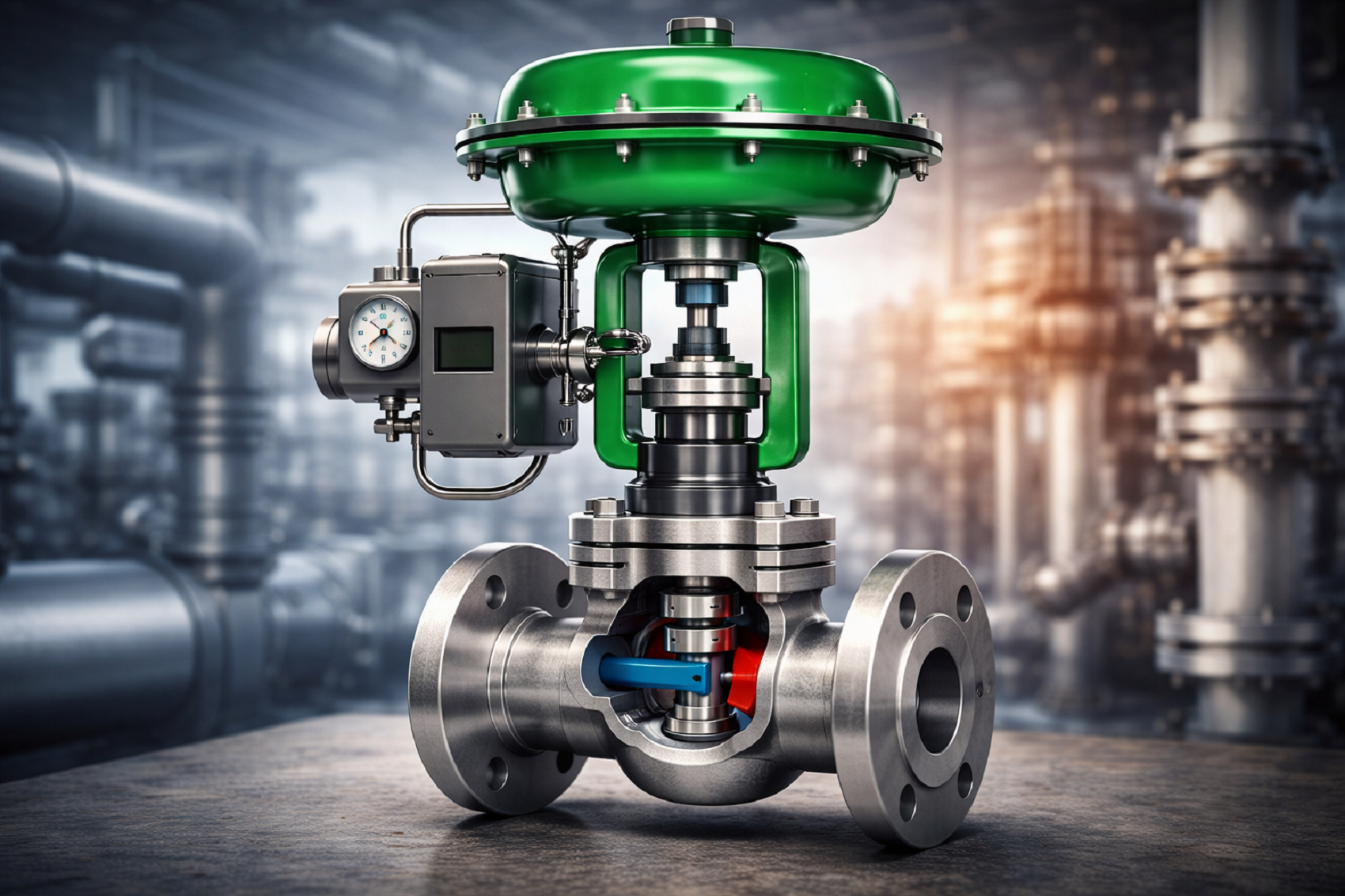
A control valve is a device used to regulate the flow of fluids such as water, steam, gas, or chemicals within a system. It does this by opening, closing, or partially blocking the flow path based on signals it receives from a control system.

The main purpose of a control valve is simple. It keeps your process running at the desired level. That could mean maintaining the right pressure, controlling temperature, managing flow rate, or ensuring safe operation.

At RZBM, we see control valves as decision makers in a process. They respond continuously to changes and make adjustments in real time so your system stays stable and efficient.

How Control Valves Work?

Understanding how a control valve works does not have to be complicated. In simple terms, a control valve adjusts how much fluid passes through it.

Here is how it usually happens.

• A sensor measures a condition such as pressure, temperature, or flow.
• That information is sent to a controller.
• The controller compares the actual value with the desired value.
• If there is a difference, the controller sends a signal to the control valve.
• The valve then moves to open more or close slightly to correct the process.

This movement can be powered by electric, pneumatic, or hydraulic actuators. At RZBM, we focus on supplying control valves that respond accurately and reliably, even in demanding industrial environments.

Types Of Control Valves

There are several types of control valves, each designed for specific applications. Choosing the right type is critical for performance and safety.

• Globe valves: These are commonly used for precise flow control. They are ideal when accurate regulation is required.
• Ball valves: Ball valves provide quick opening and closing and are often used when a tight shutoff is important.
• Butterfly valves: These are lightweight and suitable for large flow applications. They are widely used in water and HVAC systems.
• Diaphragm valves: These valves are preferred when handling corrosive or sensitive fluids because they isolate the fluid from moving parts.
• Plug valves: Plug valves are used where simple and robust flow control is required, often in oil and gas applications.
At RZBM, we help you select the right valve type based on your system requirements, operating conditions, and long-term performance goals.

Key Components Of A Control Valve

Every control valve consists of several key components that work together.

• The valve body is the main structure that holds the internal parts and connects to the pipeline.
• The trim includes internal parts like the plug, seat, and stem that directly control flow.
• The actuator provides the force needed to move the valve.
• The positioner ensures the valve opens to the correct position based on the control signal.
• Seals and packing prevent leakage and protect system integrity.
Each component must be well designed and properly matched. At RZBM, we pay close attention to material quality and compatibility to ensure long-lasting performance.

Applications Of Control Valves

Control valves are used across many industries and applications.

• Oil And Gas Facilities: They regulate flow and pressure in processing and transport systems.
• Water Treatment Plants: They manage flow rates and maintain consistent pressure.
• Power Generation: They control steam and cooling systems.
• Manufacturing Plants, which help maintain precise process conditions.
• HVAC Systems, they regulate temperature and airflow for comfort and efficiency.

From small systems to large-scale industrial operations, control valves are essential. RZBM supports a wide range of industries by supplying reliable control valve solutions tailored to each application.

Benefits Of Using Control Valves

Using the right control valve offers many benefits that directly impact your operations.

• Improve process accuracy by maintaining consistent conditions.
• Enhance safety by preventing overpressure or system failures.
• Increase efficiency by reducing energy and material waste.
• Extend equipment life by reducing stress on system components.
• Support automation and smart control systems.

At RZBM, we believe that a well-chosen control valve is an investment. It helps you reduce downtime, lower maintenance costs, and achieve better overall system performance.

Common Problems And Troubleshooting

Like any mechanical component, control valves can face issues over time. Understanding common problems helps you act quickly.
• Leakage is often caused by worn seals or improper seating.
• Sticking or slow response may result from dirt buildup or actuator issues.
• Noise and vibration can occur due to incorrect sizing or high pressure drops.
• Inaccurate control may be linked to calibration or positioner problems.

Regular inspection, proper installation, and correct valve selection can prevent most of these issues. At RZBM, we guide our customers on maintenance best practices and help them choose valves that suit their operating conditions from the start.

Importance Of Control Valves In Industry

Control valves may not always be visible, but their impact is enormous. They keep processes stable, systems safe, and operations efficient. Without control valves, modern industries would struggle to maintain consistency and reliability.

At RZBM, we understand that every valve plays a role in a larger system. That is why we focus on quality, performance, and technical support. Our goal is to help you build systems that work smoothly today and continue performing tomorrow.

If you are planning a new project or upgrading an existing system, choosing the right control valve makes all the difference.

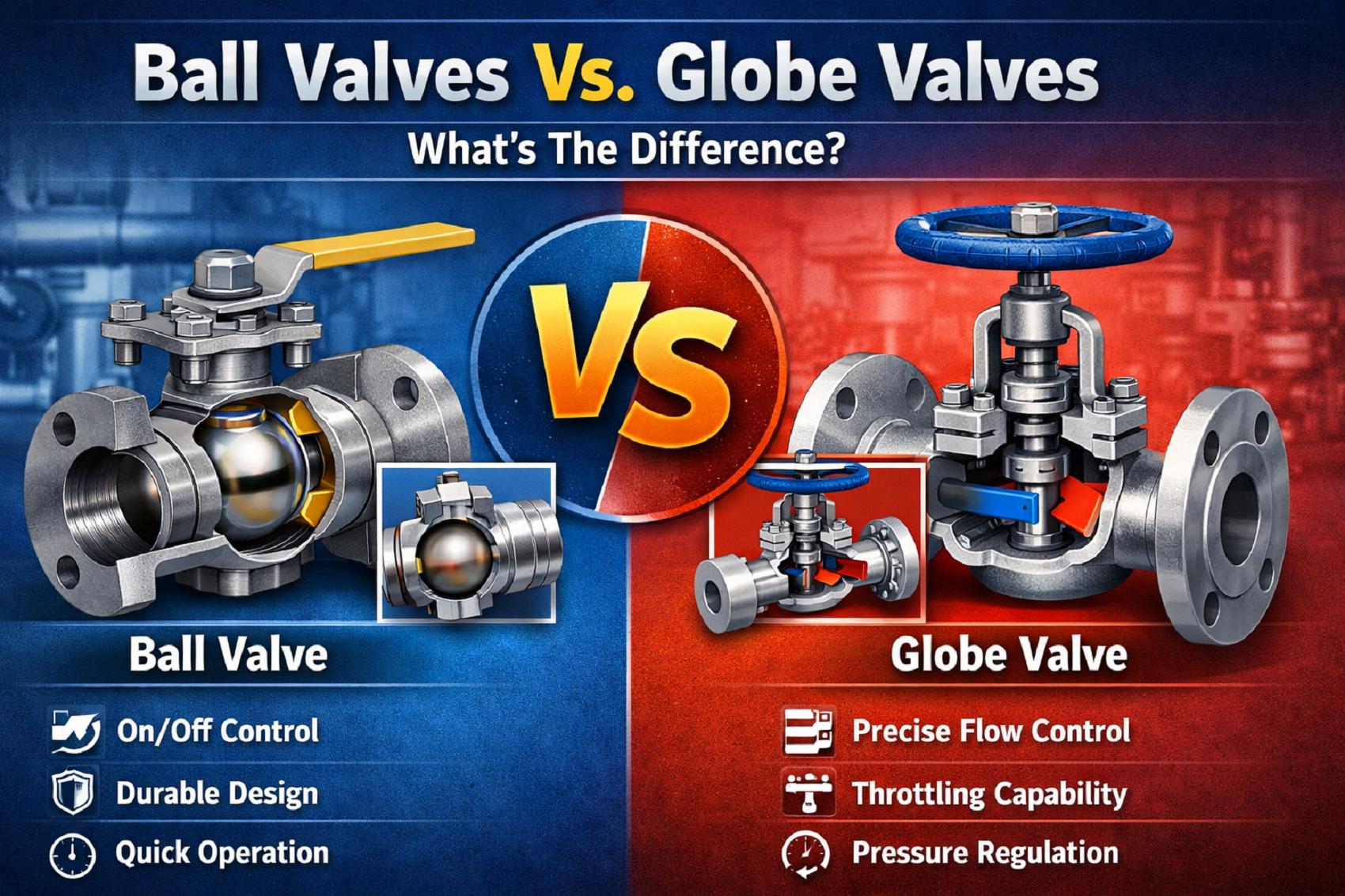
Ball Valves Vs. Globe Valves: What’s The Difference?

If you work with pipelines, industrial systems, or mechanical services, valves are something you deal with almost every day. Yet we often see confusion when it comes to choosing between a ball valve and a globe valve. Both are widely used across industries in the UAE, from water distribution and HVAC systems to oil and gas, manufacturing, and building services. However, their purpose, working method, and performance are very different.

Understanding Ball Valve?

A ball valve is a quarter-turn valve that uses a spherical ball with a hole through the center to control flow. When the hole aligns with the pipeline, fluid flows freely. When it is turned ninety degrees, the solid part of the ball blocks the flow completely.

Ball valves are mainly designed for on-off control rather than precise flow regulation. Because of their simple internal design, they provide a tight shut-off and minimal pressure drop when fully open.

Understanding Globe Valve?

A globe valve is designed with a movable disc or plug that presses against a stationary seat to control flow. Unlike ball valves, globe valves require multiple turns of the handwheel to open or close.

The internal flow path inside a globe valve changes direction, which allows for better throttling and flow control. This makes globe valves ideal for applications where you need to regulate flow rather than simply stop or start it.

In many industrial and commercial setups across the UAE, globe valves are preferred for systems that require frequent adjustments and controlled flow rates.

How Each Valve Works

Understanding how each valve works internally helps you choose the right one.

A ball valve works by rotating the ball inside the valve body. The flow path is straight when open, which means less friction and lower pressure loss. Because it only needs a quarter turn, the operation is fast and simple, whether manual or automated.

A globe valve works by lifting or lowering the disc using a threaded stem. As the disc moves closer to or farther from the seat, it gradually increases or decreases flow. This design allows precise control but also creates a higher pressure drop due to the change in flow direction.

Key Differences Between Ball Valves And Globe Valves

Control Flow

Ball valves are best for isolation. They are either fully open or fully closed. While partial opening is possible, it is not recommended for throttling because it can damage the ball and seats over time.

Globe valves excel at throttling and regulation. They are designed to operate in partially open positions without causing internal damage.

Operation

Ball valves are faster and easier to use. Globe valves require more turns and more effort but offer better control.

Pressure drop is another major difference. Ball valves have minimal pressure loss when open. Globe valves have higher pressure drop due to their internal design.

When To Use A Ball Valve

Choose a ball valve when your priority is a reliable, long-lasting seal for:

  • Shutting off fuel lines or the water supply.
  • Isolation points in HVAC systems for our demanding UAE climate.
  • Process lines where full, unobstructed flow is needed.
  • Any application where quick operation in an emergency is crucial.

 When To Use A Globe Valve

Choose a globe valve when you need precise regulation:

  • Adjusting cooling water flow to a heat exchanger.
  • Controlling steam flow in a heating system.
  • Any pipeline where you need to accurately manage pressure or flow rate as part of the process.
  • Feedwater systems in boilers.

Advantages And Disadvantages Of Both Valves

Ball valves offer several advantages. They provide excellent sealing, require minimal maintenance, and operate quickly. Their compact design also makes them easy to install in tight spaces.

However, ball valves are not suitable for throttling. Using them in partially open positions can cause erosion of the seats and reduce valve life.

Globe valves offer excellent control and stable operation under varying flow conditions. They are reliable for regulating flow and handling frequent adjustments.

On the downside, globe valves are bulkier, create a higher pressure drop, and usually cost more than ball valves of similar size. They also require more time to operate fully open or closed.

Which Valve Is Right For Your Application?

Choosing between a ball valve and a globe valve depends on what your system needs most.

If your goal is simple on-off control with minimal pressure loss, a ball valve is the smarter option.

If your system demands accurate flow control and frequent adjustments, a globe valve will serve you better.

At RZBM, we always look at factors like operating pressure, temperature, media type, automation requirements, and long-term maintenance before recommending a valve. There is no one-size-fits-all answer, and selecting the wrong valve can lead to inefficiency, increased downtime, and unnecessary costs.

That is why working with a knowledgeable supplier matters.

Conclusion

Ball valves and globe valves may seem similar at first glance, but they are designed for very different purposes. Understanding these differences helps you make informed decisions that improve system performance and reliability.

What Are Building Materials and Why Are They Important in Construction?

What Are Building Materials?

Building materials are every physical component that goes into constructing a structure. From the cement that forms its backbone to the valves that control its water flow, each item plays a vital role.

Think of your project as a living, breathing entity. The structural materials, like concrete and steel, are the skeleton, providing strength and shape. The plumbing and electrical components are the veins and nervous system, ensuring everything functions smoothly. The insulation and windows are the skin, protecting the interior from the outside world. And the finishing materials are the personality, the character that makes the space uniquely yours.

The materials we choose must be resilient. They need to stand up to our intense sun, occasional rainfall, hailstorms, and manage our unique humidity, and do so while maintaining both beauty and structural integrity for decades. This is not a place for compromise.

Why is The Choice Of Building Materials For Construction your Most Important Decision?

Selecting building materials is a series of decisions that will impact the safety, cost, and longevity of your investment long after the construction crews have left.
Here is why this matters so much to us, and why it should matter to you:

Safety: The quality of a pipe, a valve, or a structural beam directly influences the safety of the building. Inferior materials can fail, and in a high-pressure environment, that failure can be catastrophic. We believe your peace of mind is the most important material of all.

Durability: The UAE sun is relentless, and the saline environment can be harsh. Choosing materials that are corrosion-resistant, UV stable, and thermally efficient is not a luxury; it is a necessity. The right materials prevent premature aging, reduce maintenance headaches, and ensure your building performs as intended year after year.

Cost: Indeed, high-quality materials often come with a higher initial cost. However, they save you significant money over the life of the building. You will see lower energy bills due to better insulation, fewer repairs from product failure, and less frequent need for replacements. It is an investment in future savings.

The Essential Toolkit: Types Of Building Materials For Construction We Trust

The range of building materials is vast, but they generally fall into a few key families that we work with every day.
Structural materials: These are the bones of your project. This includes concrete, reinforcing steel, and blocks. Their strength determines the very life of the structure.
Plumbing & mechanical materials: This is the circulatory system. This category includes pipes, valves, fittings, pumps, and HVAC components. At RZBM, this is a core area of our expertise. We understand that a leak-free, efficient system is crucial for everyday comfort and operation.
Electrical materials: The nervous system. This encompasses everything from cables and switches to lighting and control systems, ensuring power is delivered safely and reliably.
Finishing materials: The personality. This is where your style comes to life through tiles, paint, doors, windows, and flooring.
Protection & insulation materials: The shield. These products, including thermal insulation and waterproofing solutions, are critical in our climate to protect the building from heat and moisture, ensuring interior comfort and structural health.

Building Smarter: The Rise Of Modern Materials

The UAE has always embraced innovation, and the world of building materials is no exception. We are now seeing incredible advancements that make our buildings smarter, stronger, and more efficient.
Sustainable materials: The demand for eco-friendly blocks, low VOC paints, and products with recycled content is growing rapidly, aligning with the nation’s green vision.
Advanced composites: New materials offer superior strength, lighter weight, and enhanced resistance to corrosion and fire.
Smart components: Think of pressure balancing valves that prevent scalding, or precision-engineered connectors that eliminate leaks. These intelligent products elevate a building from being just a structure to being a responsive, efficient environment.

Your Partner In Quality: The Rzbm Promise

Navigating this complex landscape of choices can be overwhelming. This is where our purpose comes to life. RZBM was founded on a simple principle: to be a reliable partner you can trust for your building material needs.

Our team brings deep, local knowledge to the table. We know which materials perform best under UAE conditions. We understand the regulations and standards. We listen to your project’s specific needs, your budget, and your vision, and we guide you toward the optimal product selection.
Our portfolio is carefully curated to include trusted brands and certified products that we stand behind. From essential plumbing valves and fittings to advanced mechanical components, we ensure that what you get is built to last. We are ready to provide you with the quality building materials and the trusted guidance you need to build with confidence in the UAE.

The Growing Demand For High-Quality Building Materials

What’s driving this surge in demand for high-quality building materials in Dubai and the wider UAE? It’s a powerful combination of vision, necessity, and a smarter, more conscious consumer, people like you and me.

1. The ambition to build icons, not just buildings: We live in a country that dares to imagine the impossible. From the Louvre Abu Dhabi’s “rain of light” to the Museum of the Future’s impossible ring, our architecture is a global talking point. These aren’t standard designs you can build with standard materials. They require innovative, high-strength, and often custom-engineered solutions. The very ambition of our national vision demands a foundation of superior quality.

2. The discerning residents are raising the bar: Let’s be honest, we’ve all become more sophisticated. We care about our well-being. We research the food we eat and the products we buy for our homes. Why should the materials that make up our homes and offices be any different? This desire for comfort, sustainability, and longevity is pushing developers and contractors to source better building materials.

3. The green blueprint: building a sustainable UAE

Sustainability isn’t just a buzzword here; it’s a national commitment. The UAE’s vision for a greener future is etched into its urban planning. This means there is a massive push for materials that are energy-efficient, recycled, and sourced responsibly.
Think about it: high-performance glass that deflects solar heat, insulation that traps cool air, and concrete mixed with recycled components. Using these isn’t just an ethical choice; it’s a practical one that leads to long-term cost savings and a smaller environmental footprint for all of us.

4. Building for the next century, not just the next decade

There’s an unspoken promise in the way the UAE builds: durability. We’re creating a legacy. Using subpar materials might save a little money today, but it leads to costly repairs, maintenance nightmares, and a shorter building lifespan tomorrow. Investing in high-quality, durable materials is an investment in the future of our cities. It’s about creating assets that will stand strong and beautiful for generations to come.

Beyond The Basics: The “Smart” Materials Shaping Our Future

The conversation around building materials in Dubai is getting more exciting. We’re moving beyond traditional options into the realm of the “smart” and the “specialized.”
• High-performance concrete & composites: Materials that offer greater strength with less weight, allowing for more daring designs and better resistance to the elements.
• Thermal insulation solutions: Advanced panels and coatings that are crucial for energy conservation in our climate, directly impacting your comfort and your utility bills.
• Smart glass & facades: These aren’t the windows of the past. They can tint automatically to control heat and light, transforming the efficiency and intelligence of a building.
• Sustainable finishes: From tiles made from recycled content to low-VOC paints that ensure better indoor air quality, the finishing touches are now a key part of the health and sustainability story.

How Urban Expansion Fuels Material Demand

Dubai’s population is growing. New communities, logistics hubs, warehouses, retail spaces, hospitality projects, and industrial facilities are being built every month.
Every new development needs:
• Plumbing systems
• HVAC components
• Mechanical and industrial parts
• Valves and fittings
• Safety and insulation products
• Hardware and fasteners
• Building accessories and tools
As these requirements increase, the demand for trusted and consistent suppliers also rises. That is why companies return to RZBM again and again; they want a partner who understands real-world project needs and delivers reliability.

The Role Of RZBM in Supporting UAE’s Building Sector

For decades, RZBM has been a trusted supplier for businesses across Dubai and the UAE. When you walk into our store or deal with our team, you are not just picking up materials; you are choosing experience, quality assurance, and a partner who understands the technical side of your project.
What sets RZBM apart?
• A wide range of Genuine, certified, and trusted brands
• Materials that match UAE conditions
• Consistent availability
• Technical knowledge you can depend on
• Long-term relationships
• Faster delivery
• Clear technical support
• Better project planning
• Reduced risk of material failure

Build With Confidence. Build With The Right Materials – RZBM

When we talk about Building Materials Dubai, we are not just talking about products lying on shelves. We are talking about the backbone of every structure in this country. If the materials are right, everything that comes after becomes easier.
Whether you are a contractor, a trader, a project manager, or a facility maintenance team, you deserve suppliers who treat your project with the same seriousness you do.
That’s why RZBM continues to support businesses across the UAE with reliable products, technical expertise, and a commitment to quality.